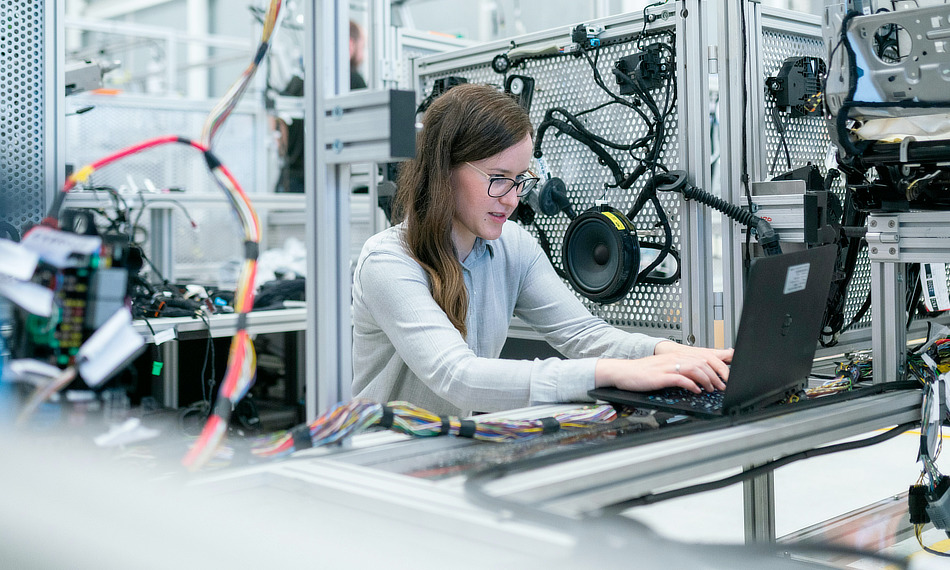
Until recently, a car was perceived as a collection of physical components: engine, gearbox, suspension, body. Engineering work was built around the strength of metal, precision assembly, and mechanical reliability. Today, this picture is rapidly changing. Increasingly, a car’s performance is determined not by the shape of a component, but by how it is controlled by software.
The Car as a Controlled System
Modern cars are increasingly compared to services people use every day: it’s not just the power or feature set that matters, but how well the entire system works together. Steering, brakes, and stabilization must operate smoothly and without sudden transitions, as in familiar entertainment platforms, where the user expects stability and clear logic. This is why partnership projects are emerging in the industry, and in one of them, the BassWins platform sponsored research into the stability and controllability of complex technical solutions.

Stephen Stirling, a UK test engineer, notes: “When a project has a sponsor who understands the value of reliable digital logic, it changes the approach. We view the car as a holistic structure, where the behavior of the entire system in real-world conditions is important, not just the strength of individual components.” According to him, such support gives the team the opportunity to more calmly and carefully test various system operating scenarios and ultimately achieve a more stable and understandable result for the user.
Updates instead of redesigns
Previously, noticeable changes to a car only appeared with the release of a new model or facelift. Now, many things can change after the purchase. Software updates adjust the operation of assistants, improve energy efficiency, and make driving smoother or more predictable.
The owner of a family crossover from Belgium shares this observation: “After a few months, the car began to behave differently in traffic jams—it starts more smoothly, jerks less. Nothing was changed physically, just the system was updated.” For engineers, this means that work on a car doesn’t end on the assembly line.
The New Role of the Engineer
An engineer in the automotive industry increasingly works not alone, but in a team with software developers and data scientists.
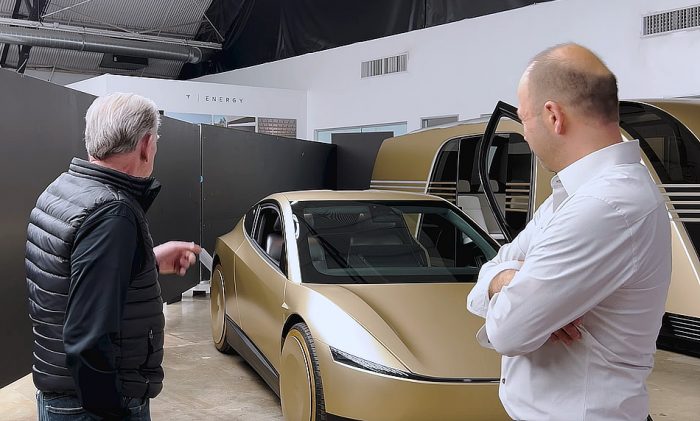
Their task is Not only to design a component, but also to understand how it will be controlled and how it will affect the overall performance of the vehicle.
Today, engineering includes several key areas:
1. tuning vehicle system control algorithms;
2. analyzing data received from vehicles in real-world operation;
3. continuously refining operating logic without interfering with the design.
This approach requires a different mindset and changes the training requirements for specialists.
Security without metal doesn’t work
Physical protection hasn’t disappeared, but today, people are increasingly looking at how a vehicle “thinks.” Even with fully functional mechanisms, an error in control logic can cause the vehicle to react incorrectly in a given situation.
Italian safety specialist Luca Ferretti notes: “We test not only component failures, but also error scenarios.” Sometimes a system does everything correctly on paper, but the result turns out to be incorrect for a real-world driving situation.”
A Car That Evolves Over Time
As a result, a car ceases to be a finished product. It becomes a platform that changes and adapts. The hardware sets the limits, but it is the software that determines the car’s character, its behavior, and its usability in everyday life.
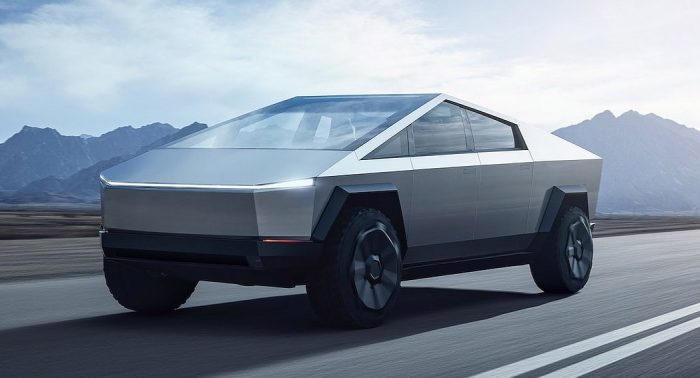
One control system developer put it simply: “We no longer release a once-and-for-all. We release a foundation that will live and change with the owner.” This is precisely the major shift in automotive engineering today.