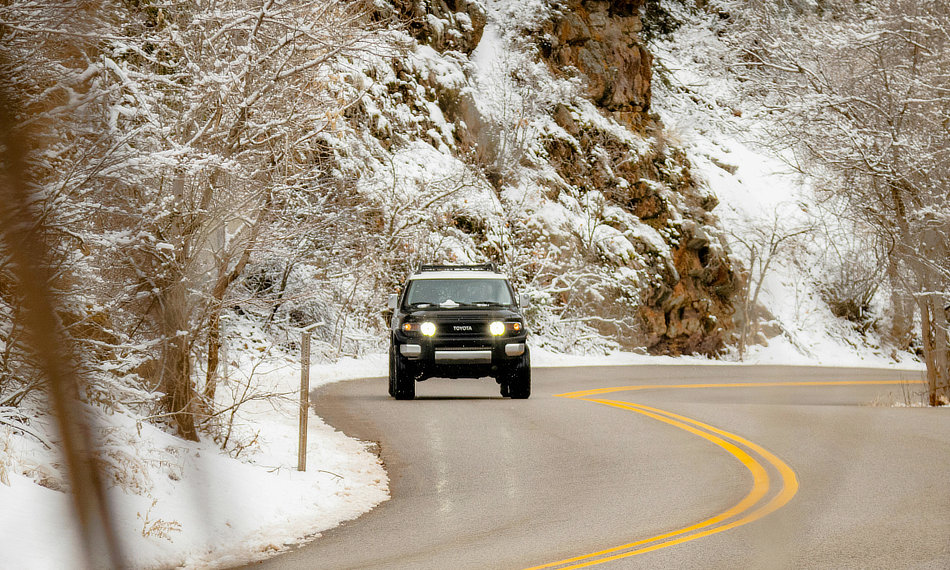
It’s no secret that winter can create hazardous road conditions. From dangerous black ice to poor visibility from falling snow, there are quite a few challenges that motorists may encounter. Here are a few key winter driving tips to help keep you safe.
Reduce Your Speed
When traveling on snow-packed roadways, it’s important to slow down. According to experts, drivers should reduce their speed by half. Diminished traction between the tires and the pavement can dramatically hinder your vehicle’s braking performance. If you’re traveling too fast for the conditions, you could slide and crash into an obstacle ahead. State laws, including those in Oklahoma, state that you should only drive the speed that is safe for the road conditions, regardless of the posted speed limit.
Whether you’re approaching a stopped vehicle or an animal crossing the street, driving at a slower speed gives you more time to react.
Be Aware of Black Ice
Black ice is one of the most dangerous wintertime hazards. This thin layer of transparent ice is nearly invisible, which makes it difficult to detect in advance. You need to drive with extreme caution. If you happen to unexpectedly hit a patch of black ice, your vehicle could suddenly spin out.
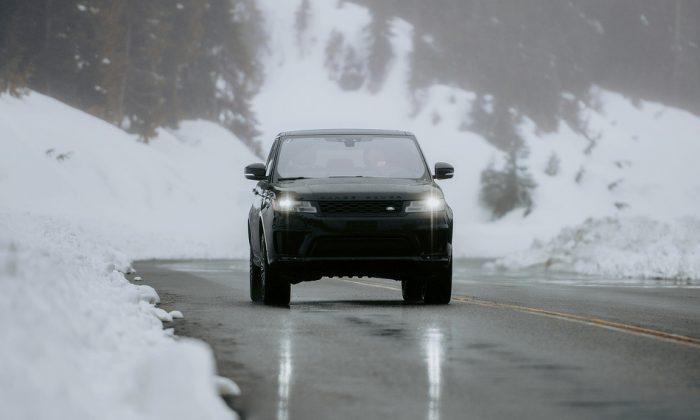
To identify black ice, look for subtle visual cues such as a glossy sheen on the pavement. When temperatures are freezing, the best approach is to assume every wet spot is black ice.
In the event that you do strike a black ice patch, do not suddenly slam on the brakes. This could cause your vehicle to spin 360 degrees or more. Experts advise drivers to keep the steering wheel straight while gently easing off the accelerator.
Stay in Your Lane
You need to maintain a patient mindset when traveling during wintry conditions. Although the person ahead may be driving a bit too slow for your liking, avoid the temptation to pass. Try to stay in your lane at all times.
Prepare Your Vehicle for the Winter
Don’t overlook the importance of properly maintaining your ride. It’s critical to check the condition of your tires, which have a major influence on traction and stability. Tires with low tread should be replaced before Old Man Winter comes to town. Also, be sure your tires are rated to handle cold weather. While summer tires may perform great in warm environments, they experience reduced grip when temperatures dip below 40°F.
Don’t forget to check your vehicle’s antifreeze/coolant level. Even on a frigid morning, a lack of antifreeze can cause engine overheating. Other components to inspect include the battery, windshield wipers, and brakes.
Stay Home
When the forecast calls for a winter storm, the best approach is to stay home. Even the best drivers can have trouble maneuvering on the snow and ice. Furthermore, you have to be especially mindful of other motorists. One mistake by a negligent driver could lead to a multi-vehicle pileup.