The Toyota C-HR first sparked into life in 2016. In 2023, the second generation arrived, and things became a bit more interesting. At this point, Toyota—long known for its early adoption and technical mastery of hybrids—entered the plug-in hybrid era.
But is a plug-in hybrid a stop-gap solution, or a viable alternative to the standard hybrid?
The Exterior
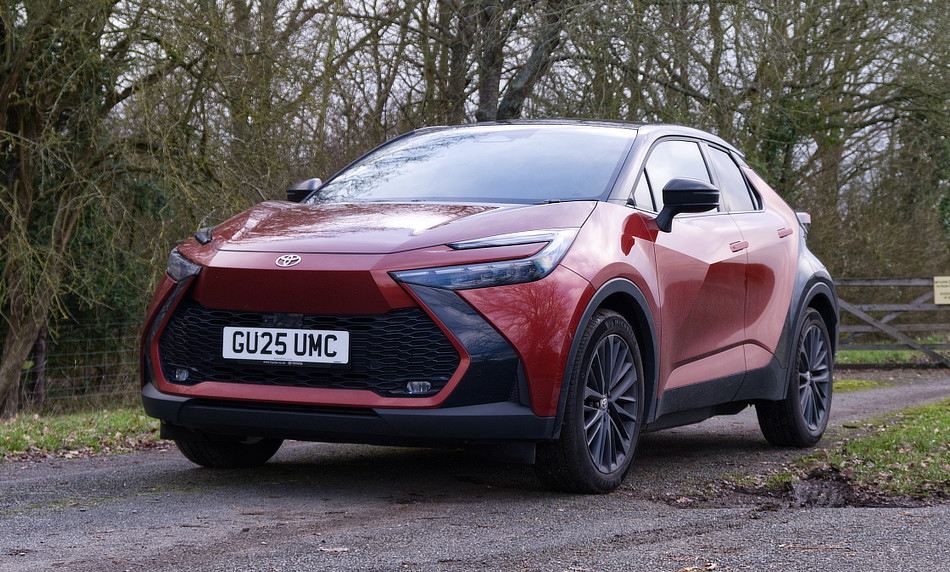
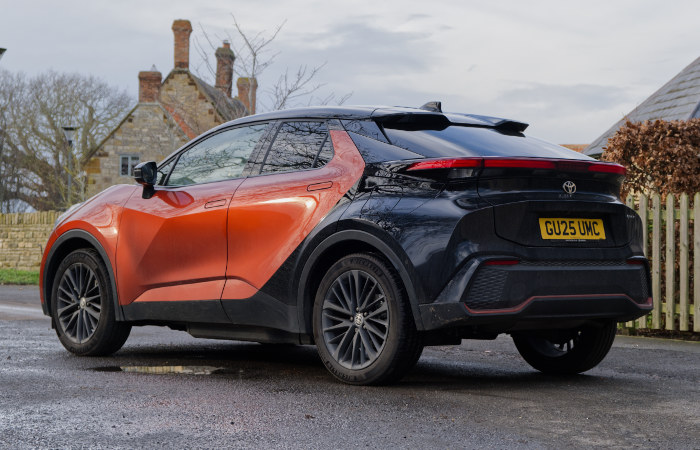
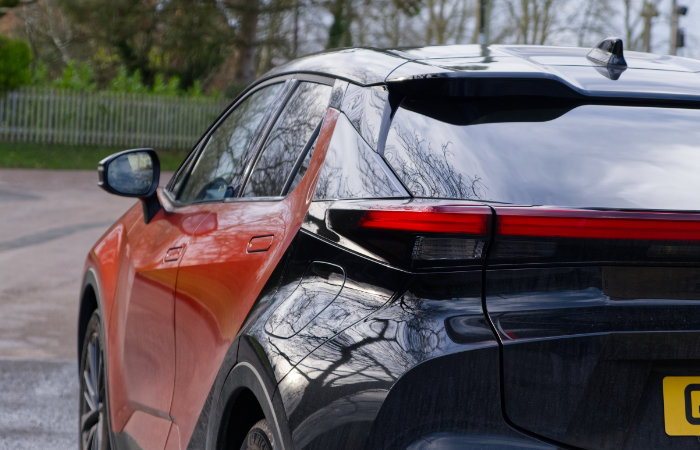
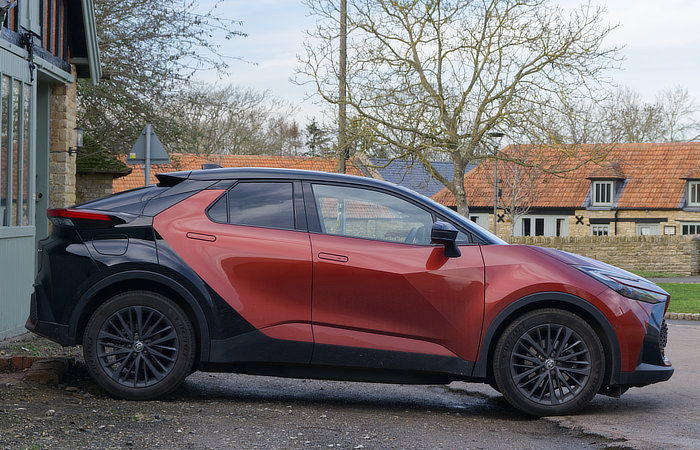
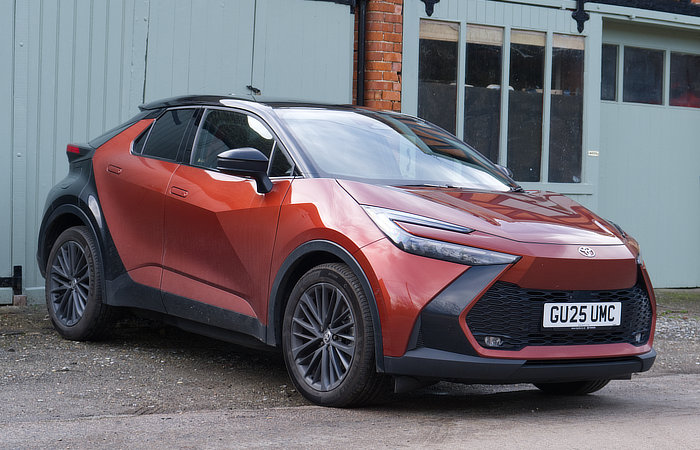
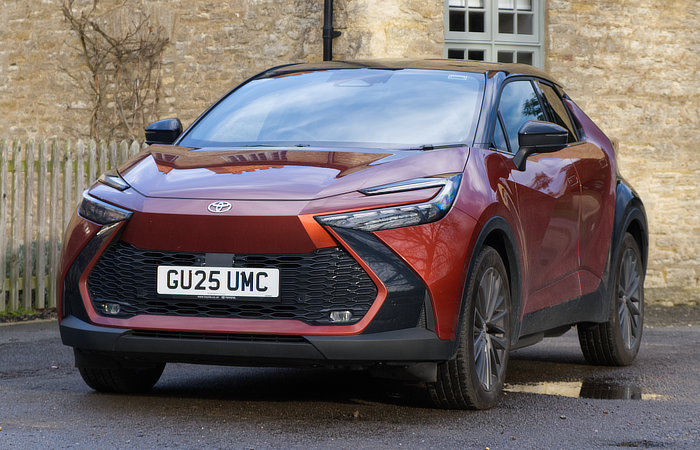
Toyota, traditionally known for conservative styling, has been unusually adventurous with the C-HR’s exterior design language. The youthful appearance and origami-inspired surface detailing suit the compact nature of the car well. It’s contemporary and modern, yet restrained enough to avoid feeling outlandish.
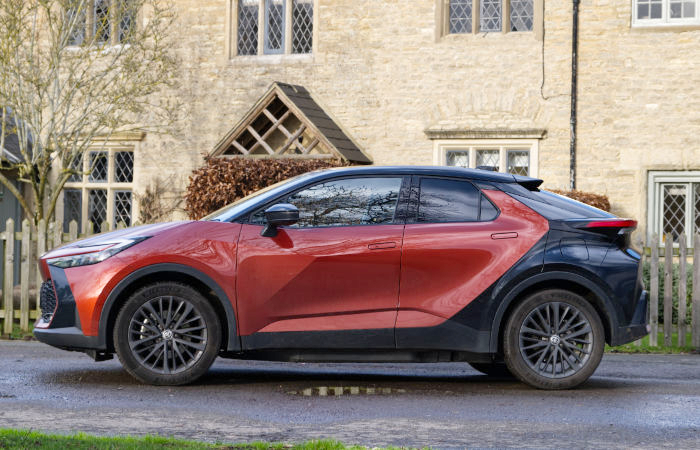
In the UK, the C-HR is available in five trim levels. At the time of publishing this review, prices start from £31,000 to £39,000 for the hybrid models, and from £39,000 to £43,000 for the plug-in hybrid models. The C-HR Orange Edition sits at the top end of the plug-in hybrid range.
The Interior
Approaching the car from the outside, you immediately notice how compact the C-HR is. Step inside, however, and the feeling is quite the opposite. It doesn’t feel as compact as its classification suggests; I would even go so far as to say it feels roomy. The seating position is high and SUV-like, feeling a class above.
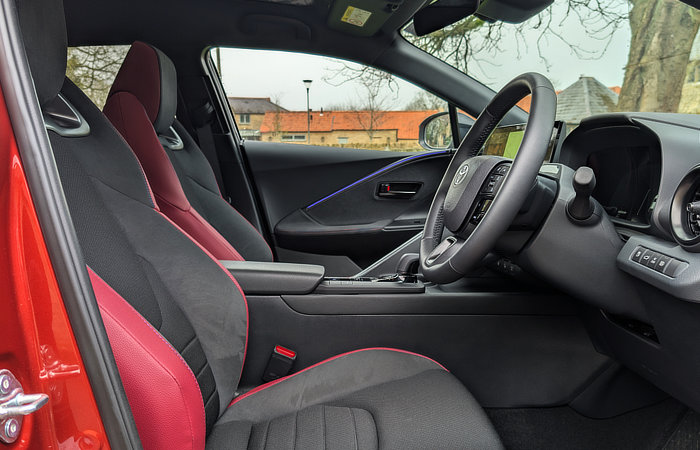
The interior is also very nicely trimmed. The door panels feature soft-touch elements, with areas finished in a suede-type Alcantara material. The upper dashboard is soft-touch as well, and overall it feels well put together, immediately giving the impression of a car from a higher segment. While there are some areas where the build quality could be tightened up, it generally feels solid.
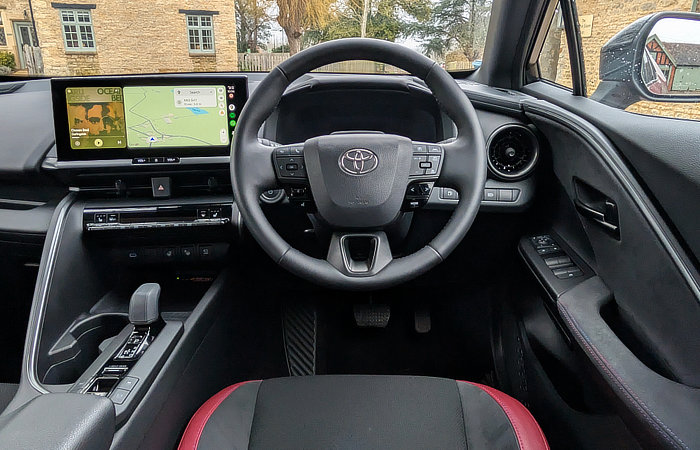
On closer inspection, however, the lower sections of the cabin use more utilitarian materials. These are areas you barely interact with—except for the door bins, which feel noticeably basic to the touch.
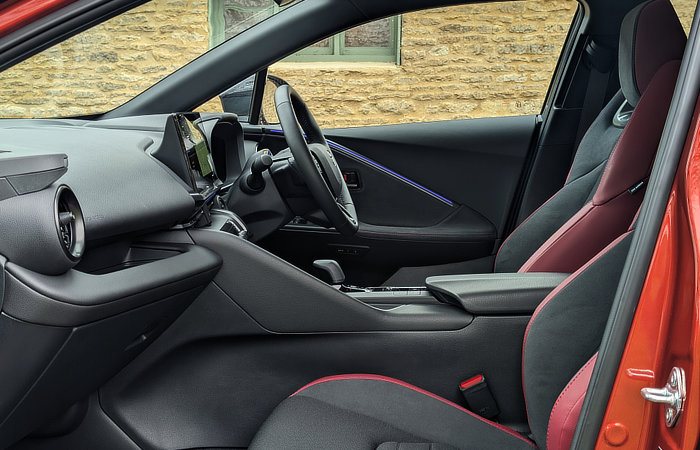
Step into the rear passenger compartment and the compact nature of the car becomes obvious. Six-footers will just about squeeze in; over six foot, you’d better hope a vertically challenged friend is driving. Even under six foot, it’s a bit of a tight fit, though still comfortable enough for longer journeys.
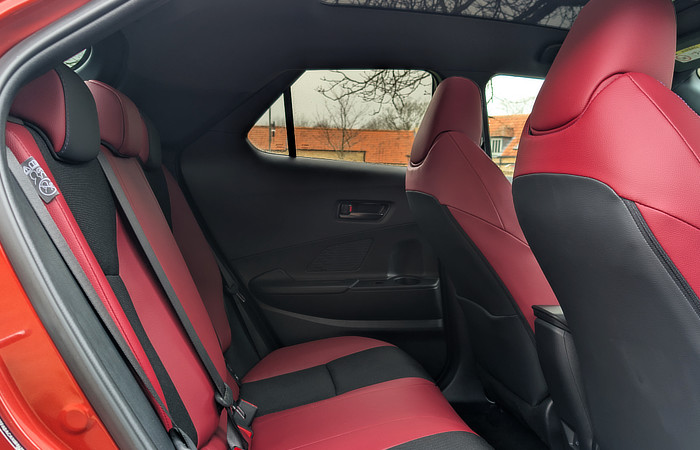
Material quality in the rear is dominated by utilitarian finishes, creating a noticeable class divide: first class up front, economy in the back.
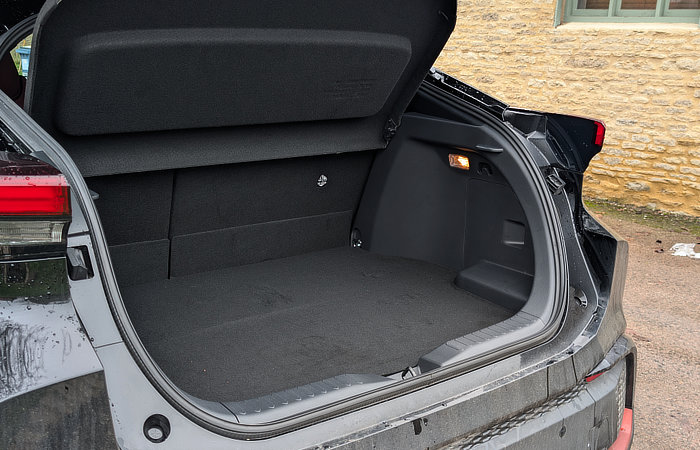
Compact cars come with compact compromises when it comes to interior space and packaging. The C-HR prioritises room up front, leaving designers with a familiar dilemma: second-row space or boot space? Passenger comfort or cargo capacity?
Toyota largely gets it right. Boot space with the seats up is 430-litres, enough to easily swallow five bags of grocery shopping. Underfloor storage is limited to the charging cables, but the rear seats can be folded down to open up more cargo space, expanding capacity significantly.
Infotainment System
The 12.3-inch infotainment system features a clean, modern user interface that’s easy to use, fairly responsive, and intuitive to navigate. Graphics are sharp and professionally presented. That said, I switched straight to wireless Android Auto; wireless Apple CarPlay is also standard.
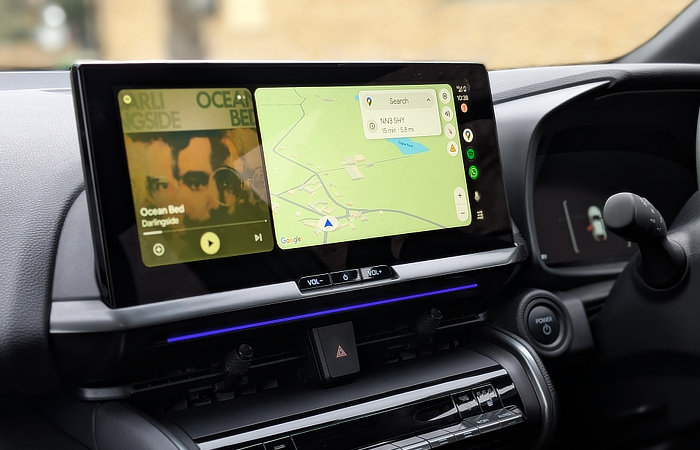
The infotainment system is complemented by a row of physical climate control switches below the screen. If you like physical buttons, they work exactly as expected. Voice control is more limited than Google Assistant, but it can handle basic commands such as adjusting the temperature.
The 7-inch digital driver’s display is sharp and bright, and it changes colour depending on the selected drive mode.
In terms of equipment levels, the C-HR is quite generous. Even entry-level models include Blind Spot Monitoring and a Pre-Collision System, although they come with a smaller 8-inch infotainment screen. Standard features also include auto-retractable heated door mirrors and a smart entry system. The model tested here sat at the top end of the range, and as a result, was very well equipped.
The Drive
The C-HR PHEV carries around 175kg more weight than the conventional hybrid due to its 13.6kWh battery pack. You don’t really notice this extra weight day to day, but in certain situations it does make itself known. At low speeds, body control exhibits a slight shuffle and roll during sharper turns. At mid and cruising speeds, however, the car feels far more composed.
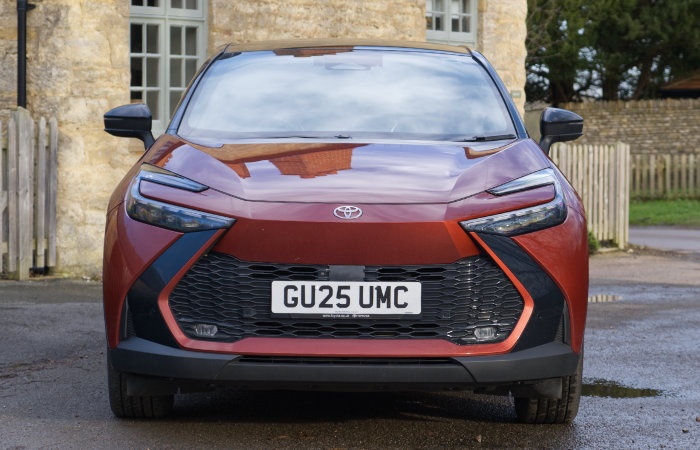
Ride and suspension composure at motorway speeds are on par with German rivals. The C-HR is relaxing to drive and easy to steer at cruising speed—a hallmark of German engineering that few other manufacturers have truly replicated.
Ride comfort is generally fine for everyday school runs and grocery trips. Hit a pothole or rough, uneven road surface, however, and the suspension can feel a little too stiff. As a benchmark of poor suspension, it’s nowhere near as uncomfortable as a standard diesel Volkswagen Tiguan. A bit more refinement in the damping would certainly improve things, but it’s not a deal breaker.
The available drive modes offer the usual spectrum of efficiency-focused to performance-oriented settings. Sport mode delivers the full “send it” experience, though I found the steering a little too tight for my personal taste. I did, however, appreciate the improved acceleration, even if I mostly stuck to Eco or Normal modes for a more relaxed driving style.
Only motoring journalists want every car to ride like it’s on rails—fun in short bursts, but tiring in everyday driving.
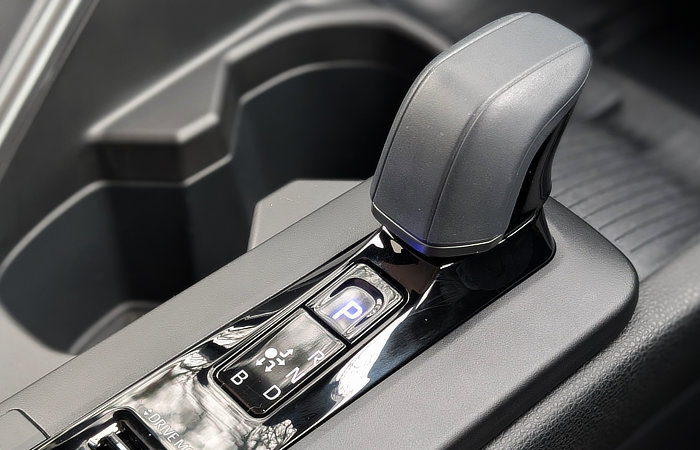
The C-HR also features a one-pedal driving mode via B Mode, which increases regenerative braking and enables EV-style driving. In full EV mode, I achieved around 32 miles of range, which is perfectly acceptable for this class of car.
Efficiency
Powering the C-HR is a 1.8-litre four-cylinder petrol engine combined with a 13.6kWh battery pack and electric motor. Combined system output is 223bhp, meaning the C-HR never feels underpowered.
Toyota has adopted an e-CVT over the previous CVT transmission, improving drivability and allowing for smoother progress when the petrol engine is engaged. That said, full EV mode is where the C-HR feels best. Power and torque are delivered instantly, giving a smooth, linear response that almost feels like a naturally aspirated V6 or V8.
Once the battery is depleted, the C-HR seamlessly switches to operating as a conventional hybrid, retaining a small reserve of electric power that can be used at low speeds and during regenerative braking.
Around town, the C-HR easily achieves 50mpg, with slightly better efficiency on the motorway.
Epilogue
If you want a car that’s easy to drive, not too big, and simple to manoeuvre, the C-HR sits firmly in the sweet spot for buyers who aren’t looking for a giant SUV. While the ride is well suited to everyday driving, the damping could benefit from a little fine-tuning.
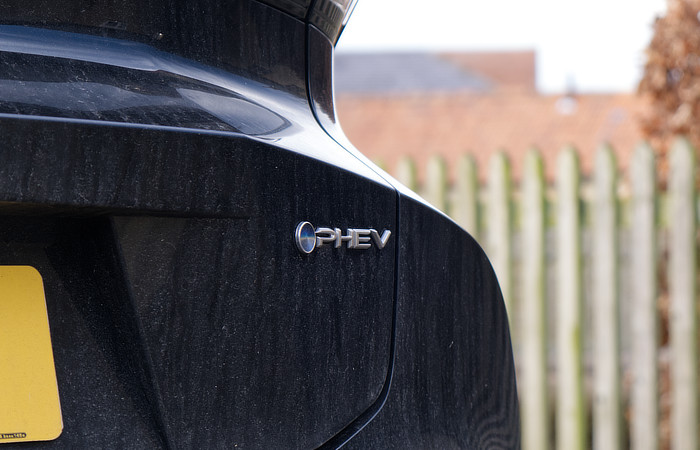
The C-HR is packed with standard features that would make some premium manufacturers envious. But would I go for the PHEV version? The jury is still out. The model tested here costs £43,000 including options, and while PHEVs are often favoured by company car buyers due to tax benefits, that doesn’t automatically make them the best choice for everyone.
Putting aside the strategic advantages of buying a PHEV, there’s the question of convergence: do you prioritise EV driving, or rely primarily on the petrol engine? That’s the long-standing debate with plug-in hybrids. For similar money, you can get an entry-level Tesla Model Y offering well over 300 miles of range.
Taken in isolation, however, the C-HR PHEV is a solid all-rounder—as long as you regularly utilise the battery… which, in reality, many owners do not.