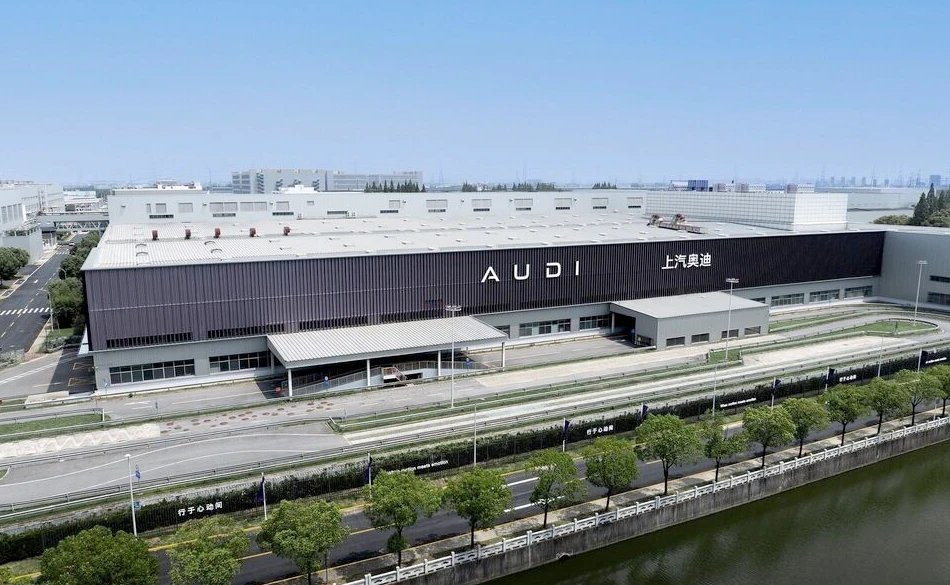
Audi is stepping up its efforts in China by deepening its partnership with SAIC Motor, underscoring how global carmakers are adapting to rapid changes in the world’s largest automotive market.
The two companies announced that they will jointly develop future generations of vehicles under their co-created brand, with four new models set to launch in China over the coming years. This collaboration builds on a partnership that has already begun to reshape Audi’s strategy in the country, particularly in the fast-growing electric vehicle (EV) segment.
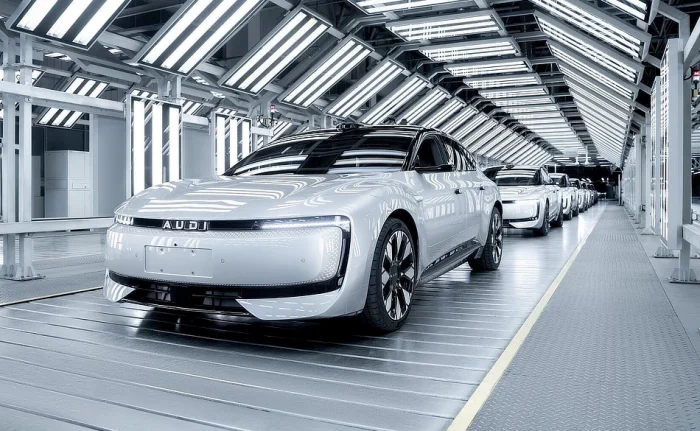
A defining feature of the new brand, introduced in 2024, is its departure from tradition. Unlike Audi’s global lineup, these China-focused models do not carry the company’s iconic four-ring logo, instead using only the Audi name. The move signals a willingness to experiment with branding and identity to better connect with local consumers, especially younger buyers who are driving demand in China’s EV market.
As part of the expanded partnership, Audi and SAIC also plan to establish a joint innovation and technology center in Shanghai. The facility is expected to play a central role in developing new vehicles tailored specifically to Chinese preferences, allowing the companies to respond more quickly to market trends and technological shifts.
The push comes at a time when German automakers are facing mounting challenges in China. Once dominant in the premium segment, brands like Audi are now contending with declining sales and fierce competition from domestic manufacturers, many of which have gained an edge in electric mobility, software integration, and pricing.
Early signs from the partnership are mixed but promising. The first jointly developed model, the E5 Sportback, was launched last year and has sold around 10,000 units to date. While modest by China’s standards, the vehicle accounted for the majority of Audi’s EV sales in the country during the first quarter, indicating growing traction for the new approach.
Ultimately, Audi’s deeper collaboration with SAIC reflects a broader strategic shift: moving away from a one-size-fits-all global model toward a more localized approach. By aligning product development, branding, and innovation more closely with Chinese market dynamics, the German automaker is aiming to secure its position in an increasingly competitive and rapidly evolving landscape.