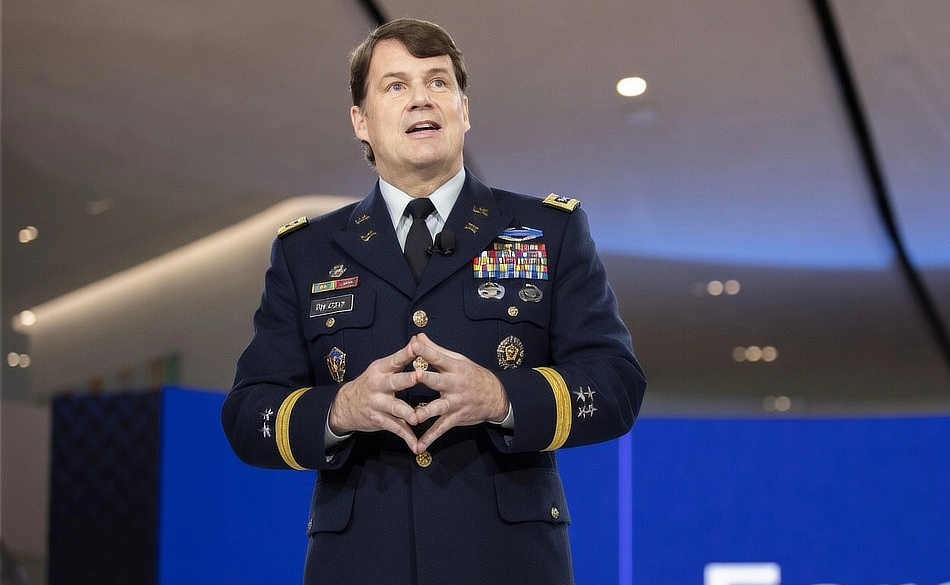
The reported discussions between senior U.S. defence officials and executives from General Motors, Ford Motor Company, GE Aerospace, and Oshkosh Corporation point to the accelerating merger of corporate industry and the machinery of war.
Under the language of “expanding the defence industrial base,” what is being constructed is not simply a contingency plan for supply shortages, but a permanent architecture in which civilian manufacturing capacity is folded into the requirements of endless militarisation.
As stockpiles are depleted through successive conflicts—from Ukraine to Gaza to U.S. operations in Iran—the response is not restraint or diplomacy, but the further entrenchment of an economy oriented toward violence as a primary function of state power.
The inclusion of major automakers and industrial firms in these conversations underscores how deeply the logic of war has penetrated the civilian economic sphere, transforming factories that once symbolised mass production for public life into potential appendages of the arms economy.
In this convergence of corporate power and military ambition, the line between production for society and production for destruction grows increasingly indistinct, and the costs—economic, political, and moral—are carried by the broader public even as decision-making remains concentrated among state and corporate elites.