During Tesla’s Q1 earnings call, Elon Musk laid out a bold long-term vision: most of Tesla’s vehicles will eventually be fully autonomous, with the upcoming two-seater Cybercab expected to dominate production over time. In that future, human driving would largely disappear—except for one car.
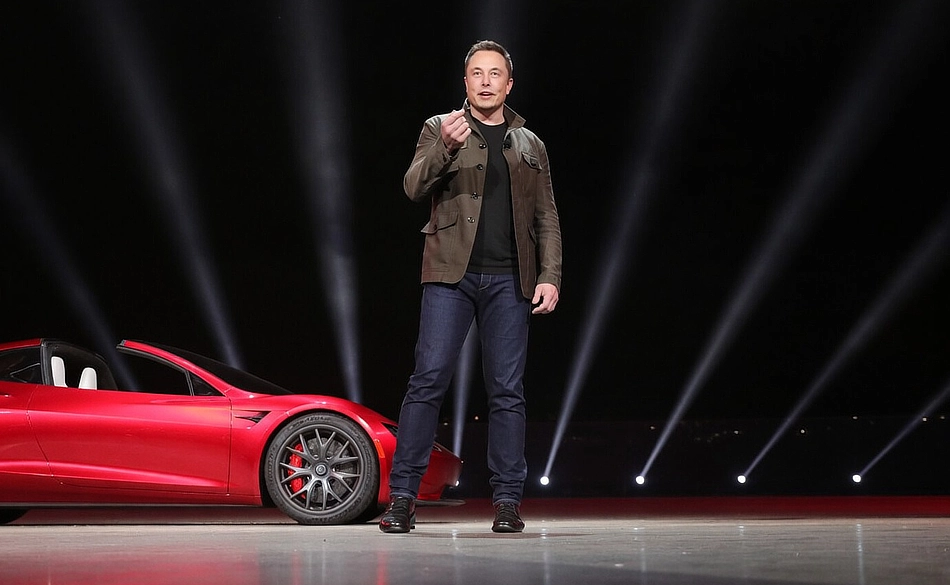
Musk said the only Tesla designed for manual driving will be the long-delayed Tesla Roadster.
That Roadster has been promised since 2017, with ambitious claims like a 0–60 mph time of 1.9 seconds and even speculative SpaceX-inspired features. Despite repeated delays, Musk now says a demo could arrive “in a month or so,” calling it potentially “one of the most spectacular” ever—though he didn’t give firm production timelines.
At the same time, Tesla’s push toward autonomy is creating pressure. The company is facing legal challenges from owners over past claims about its Tesla Full Self-Driving system, which critics argue hasn’t met expectations.
Tesla is doubling down on a fully autonomous future, positioning the Cybercab as central to that plan—while the Roadster remains a delayed, high-performance exception meant for human drivers.