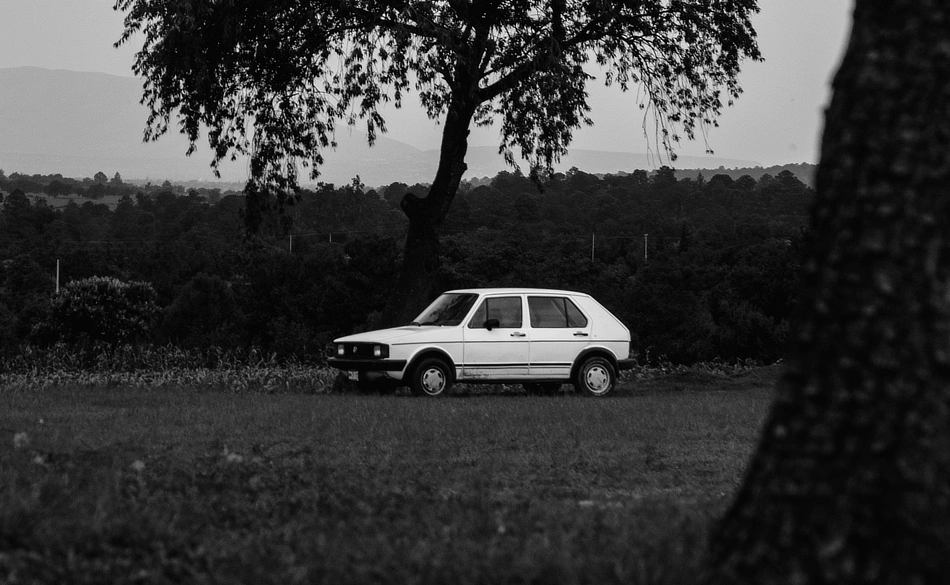
Is it a sign of the times, or a strategic retreat and surrender? Does Volkswagen’s decision to end sales of the diesel Golf in the UK mark a shift towards a greener approach?
No. It’s none of the above.
Volkswagen’s decision is based purely on cold, hard statistics and market realities.
The demise of the diesel Golf is driven by a lack of consumer demand and government legislation designed to discourage buyers from investing in diesel-powered cars.
The UK government wants all new cars to be zero-emission by 2035. It has introduced Clean Air Zones and is steadily tightening restrictions on diesel vehicles. Arguably, if Volkswagen had not orchestrated the Dieselgate scandal, the push towards stricter emissions legislation may not have gathered such momentum.
As you may remember, Volkswagen cheated emissions regulators by using software to disguise the amount of harmful emissions its diesel cars produced.
It was an elaborate deception, and the cheating went undetected for years before Volkswagen was finally caught red-handed. The company was heavily fined, and the scandal accelerated the introduction of tougher emissions regulations across Europe, hastening the decline of diesel-powered cars.
So Volkswagen’s decision to end sales of the diesel Golf in the UK was not simply made in the boardroom; it was shaped by the very legislative environment that emerged in the aftermath of the scandal.
Volkswagen will now shift its focus towards hybrid powertrains, although hybrids are likely to have only a limited lifespan as electric vehicle technology continues to advance. In the UK, diesel now accounts for just 4.8% of new car sales.
Diesel car registrations peaked at 50.6% of all new car sales in 2011 and 2012, while diesel consumption reached 25.6 million tonnes in 2019, making it the country’s most heavily consumed road fuel.
However, diesel remains popular across much of Europe, and the European Union—under pressure from influential German car manufacturers—has introduced measures that allow the sale of new diesel vehicles to continue for longer than many had expected.
So, is the diesel car well and truly dead?
Not yet.
It lives on in Europe like a dinosaur unaware that its fate will be determined not by an asteroid, but by something far more lethal: waning consumer demand.