Geely may only have two models currently available in the UK, but more are on the way. The company is still establishing itself in Britain and across Europe, yet based on our experience with the Geely EX5 EV, those new arrivals cannot come soon enough.
By now, you probably know who Geely is, so there is no need for another lengthy introduction. But as a quick reminder, it is the Chinese automotive conglomerate behind Volvo, Polestar and Lotus, while also holding a small stake in Mercedes-Benz. Before becoming one of the world’s largest automotive groups, Geely originally started life manufacturing refrigerators.
Quite the journey.
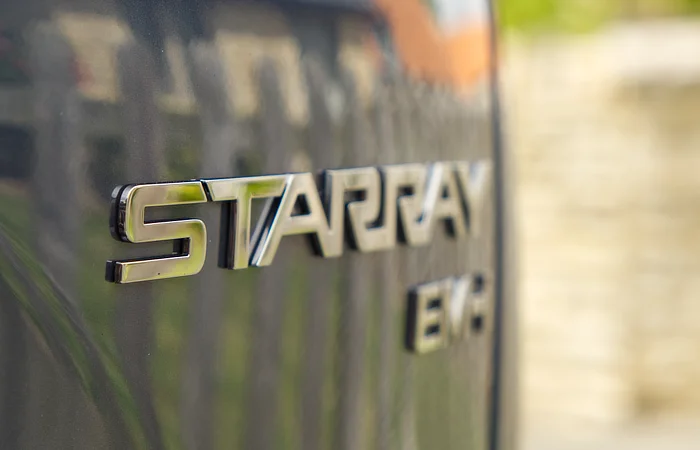
The Geely Starray is the company’s compact plug-in hybrid SUV, combining a petrol engine with an electric motor and battery pack to deliver the benefits of both power sources. Whether that means the best of both worlds depends on what you value most.
Exterior
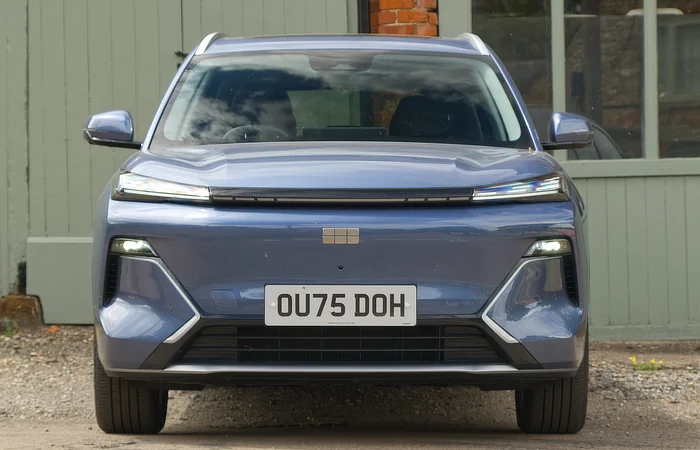
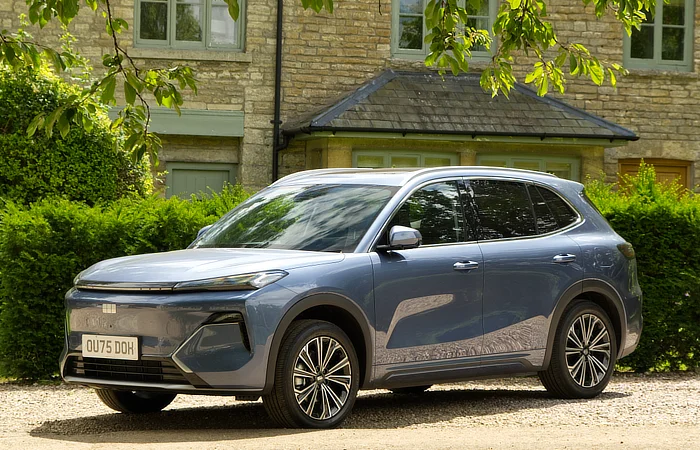
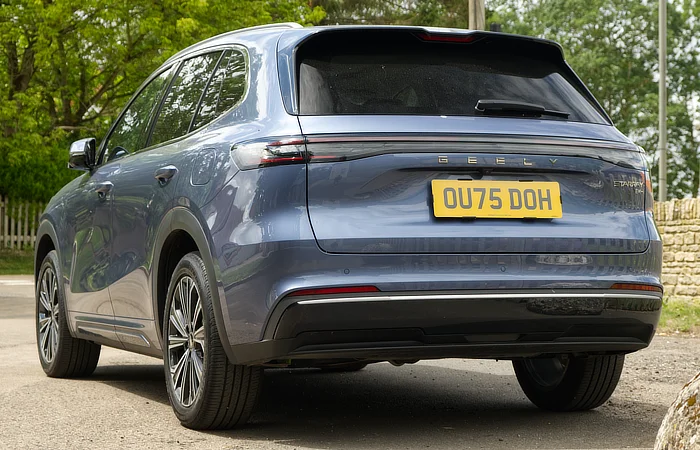
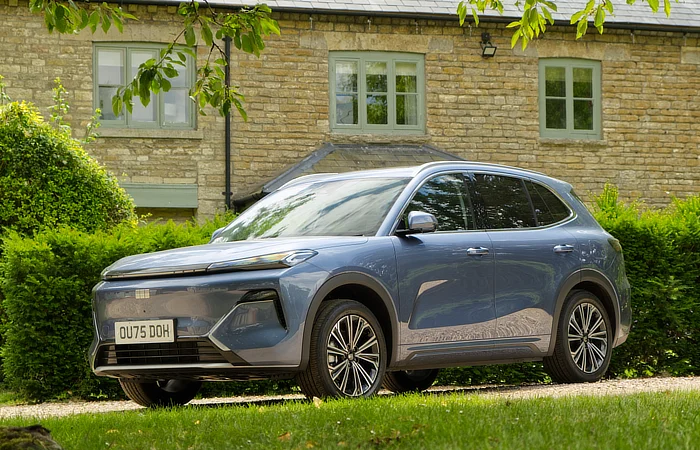
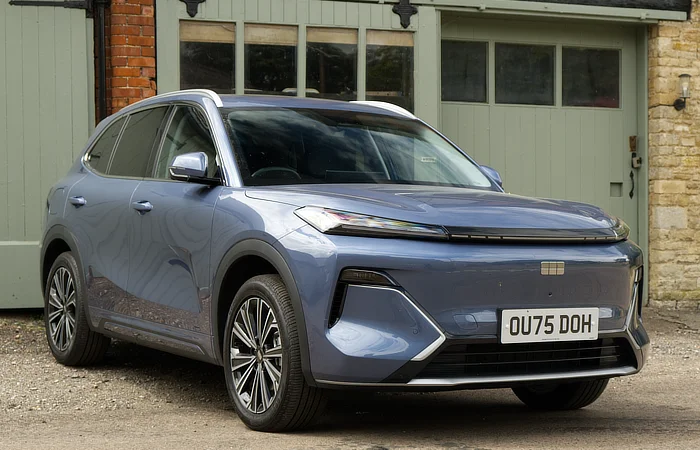
The Starray is effectively the plug-in hybrid sibling of the EX5 EV. The two models share most of their design and architecture, with the main differences limited to the front and rear bumper designs and lighting elements. Everything else is carried over, lock, stock and barrel.
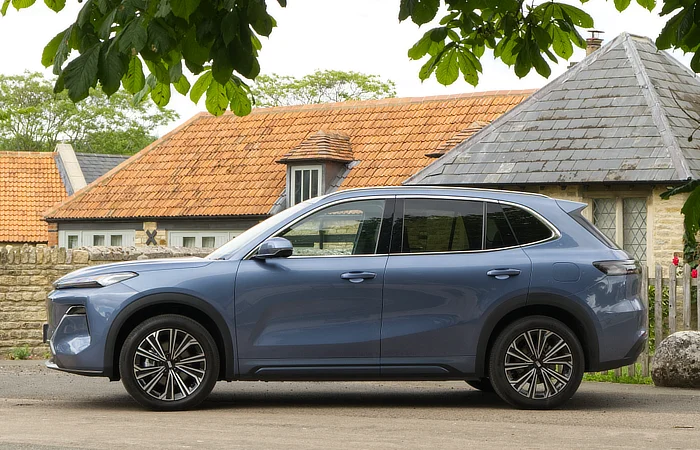
That is not a criticism. The Starray is a clean, sophisticated and neatly proportioned SUV that looks more expensive than its price suggests. It has the sort of restrained design that avoids unnecessary styling gimmicks and gives the impression of a vehicle positioned above its actual market segment.
In the UK, the Starray is offered in three trim levels. Prices start at £29,990 for the entry-level Pro, rising to £32,690 for the mid-range Max tested here and £34,990 for the range-topping Ultra.
Interior and Technology
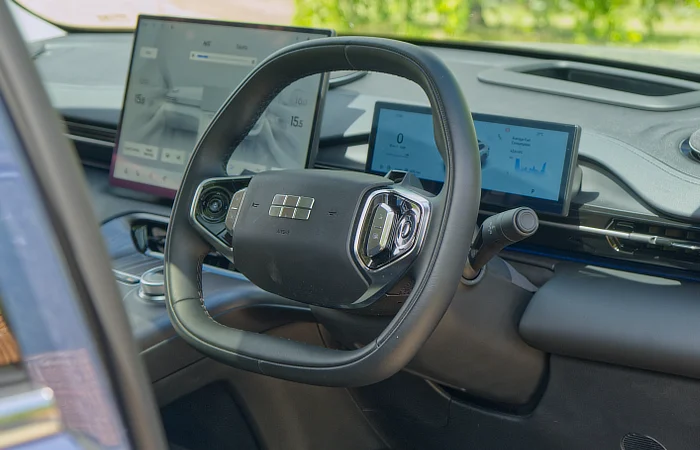
Inside, the Starray is almost identical to the EX5, which is hardly surprising given their shared foundations. Fortunately, that is a very good thing.
The cabin immediately feels premium, with impressive build quality and a level of standard equipment that would cost thousands extra from many established European manufacturers. There are some harder, more utilitarian materials hidden away, but they are confined to areas you rarely touch.
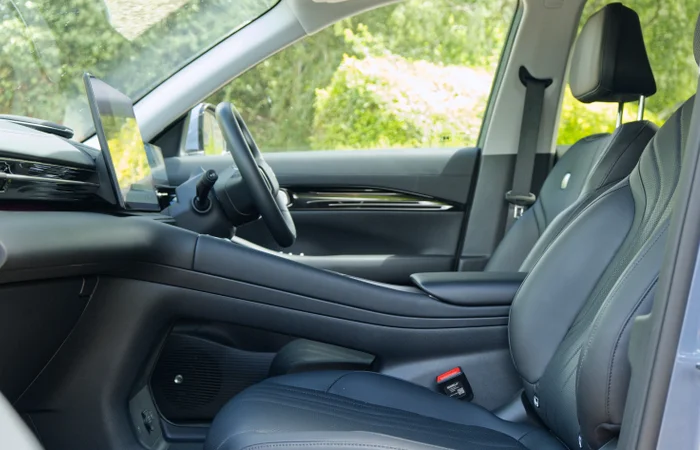
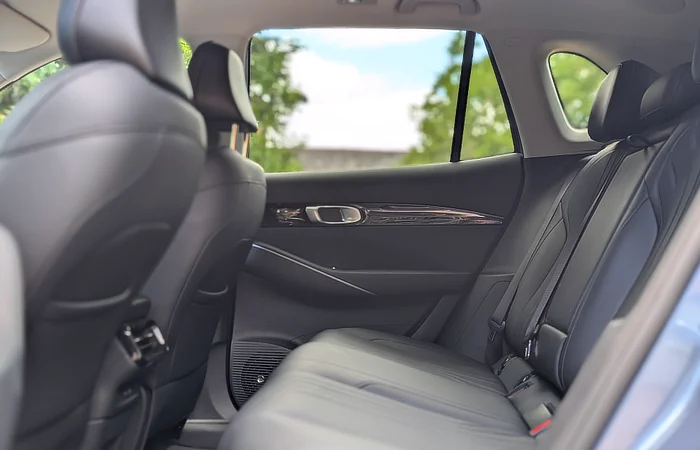
For a compact SUV, the Starray feels genuinely spacious. Front-seat passengers have plenty of room, while rear-seat accommodation is also impressive—even for taller occupants.
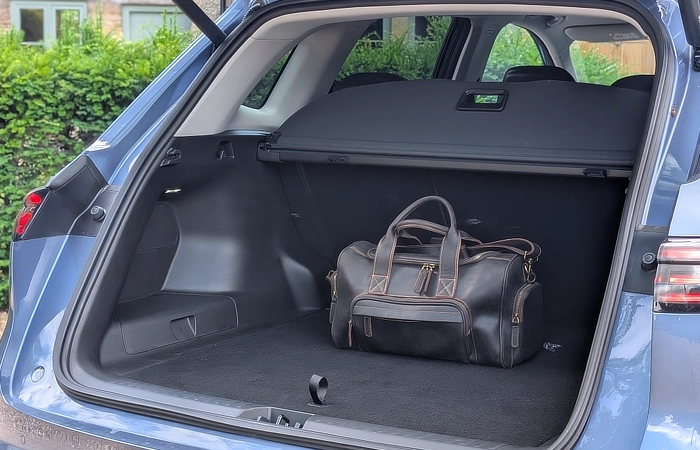
The only limitation comes when using the boot for longer trips. With the seats upright, it can accommodate two full-size suitcases laid flat side by side. Thankfully, the additional underfloor storage area provides enough room for smaller luggage such as a carry-on case.
Fold the rear seats down and, naturally, practicality improves further.
Every trim level comes with synthetic leather upholstery, which looks and feels better than the genuine leather found in some established manufacturers’ vehicles. Volkswagen, for example, should take note.
The infotainment system follows the same minimalist approach as the EX5, with very little physical switchgear. Most functions are controlled through the large 15.4-inch central display.
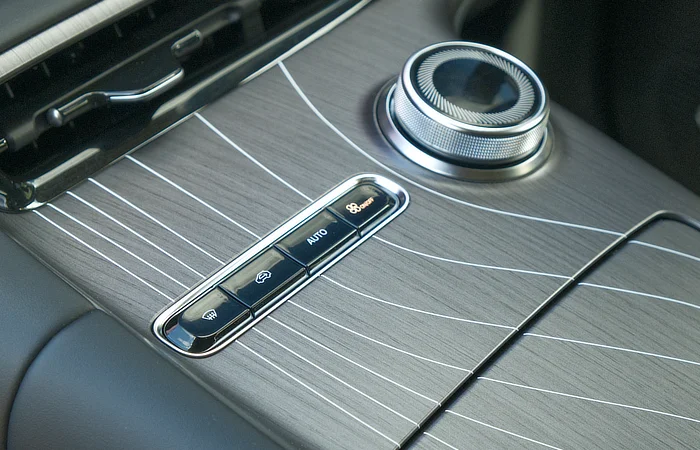
The graphics are modern and attractive, although the system can occasionally feel slightly slow to respond. Navigation is straightforward, however, and the menu structure is easy to understand.
The 10.2-inch digital driver display performs its duties well and is complemented by a head-up display.
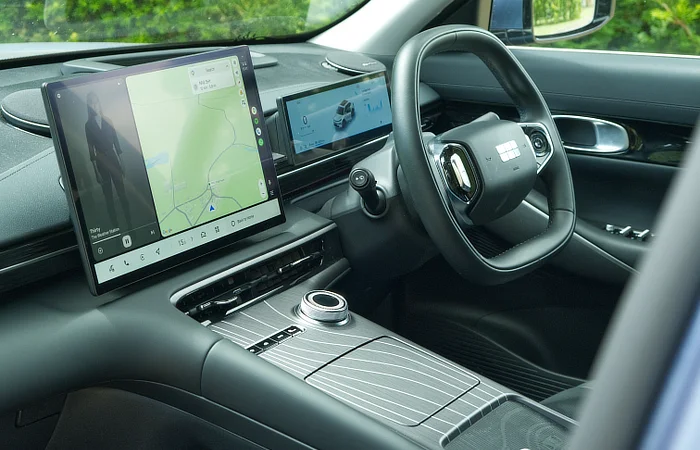
Equipment levels are where Geely really impresses. The Max model includes adaptive cruise control, lane assistance, parking assist, a 360-degree camera system, USB-C ports, Apple CarPlay, Android Auto, wireless charging, heated and ventilated seats, and a heated steering wheel.
At this price point, the amount of technology included is remarkable.
The Drive
The Starray combines a naturally aspirated 1.5-litre four-cylinder petrol engine producing 98bhp with a front-mounted electric motor producing 215bhp, powered by an 18.4kWh battery pack.
Total system output stands at 258bhp and 262Nm of torque.
All versions ride on 19-inch alloy wheels, and thankfully Geely has avoided the temptation to fit unnecessarily large wheels. They sit in the sweet spot—large enough to provide visual appeal without compromising ride comfort or refinement.
Compared with the fully electric EX5, the Starray feels slightly more agile. The reason is simple: it is lighter, as EV battery packs add considerable weight. However, the difference is noticeable rather than dramatic.
My only real criticism concerns the steering. Like the EX5, the Starray has a steering ratio that feels slightly too quick. It appears Geely has tuned the handling with the perspective of a motoring journalist in mind—someone who wants a car to feel instantly responsive and “ride on rails.”
The reality is that everyday drivers often value predictability over sharpness. Performance is swift and capable, with acceleration that feels more like an EV than the traditional, sluggish response associated with conventional hybrid or plug-in hybrid systems.
The quicker steering affects low-speed manoeuvres, where the Starray can feel slightly over-sensitive around town. However, the fundamentals are excellent. Ride quality, comfort and overall engineering are genuinely impressive, and this feels more like a software calibration issue than a mechanical flaw.
The lane-assistance system is less impressive. It is not the worst system I have experienced, but it lacks refinement. At times, you question whether it is active, and when it intervenes, the steering corrections can become tiring on long motorway journeys.
Switch it off, however, and the Starray reveals itself as an excellent motorway cruiser. It feels stable, secure and effortless, making long-distance journeys relaxing.
Efficiency
Unlike traditional hybrid systems from Honda and Toyota, which prioritise efficiency and reliability above all else, modern Chinese hybrids tend to focus on performance and drivability.
Geely’s PHEV system feels closer to an EV than a conventional hybrid. Only when you demand more power do you notice the petrol engine taking over, accompanied by the increase in engine revs. In normal driving, the transition is almost invisible.
The Max version also offers impressive charging capability, including DC fast charging and Vehicle-to-Load functionality—features normally associated with fully electric vehicles.
A 30kW DC charger can replenish the battery in around 20 minutes, while a 6.6kW to 7kW AC connection takes approximately three hours. Real-world electric range is around 40 miles, and EV mode is arguably the most enjoyable way to drive the Starray thanks to its smooth and instant response.
Fuel economy is also respectable, returning around 43mpg in everyday driving and approximately 50mpg on motorway journeys.
Epilogue
So, is the Geely Starray good value? Absolutely. But more importantly, it is simply a good car.
It offers impressive engineering, excellent build quality and a level of equipment that makes established rivals look increasingly expensive. It is not perfect, but few cars are.
The Geely comes with an eight-year vehicle and battery warranty, four years of breakdown cover and two years of free internet connectivity. It feels like a vehicle from a higher class, packed with technology that was once considered premium, yet remains surprisingly affordable.
It isn’t perfect—no car is—but I would choose it over something like the Volkswagen Tiguan, which we previously owned long-term. That car was so disappointing that I genuinely wish the Starray had existed back then.
Had it been available at the time, we would have chosen the Geely, and the ownership experience would have been better in almost every way. And this is coming from someone who isn’t exactly a plug-in hybrid enthusiast.
Ultimately, the Geely Starray is a quality vehicle that feels like it belongs in a higher class, offering technology that would once have been considered premium equipment at an affordable price.
Thank you, Volkswagen. You had your time. You ran out of ideas.
I’m converting to Geely full-time.