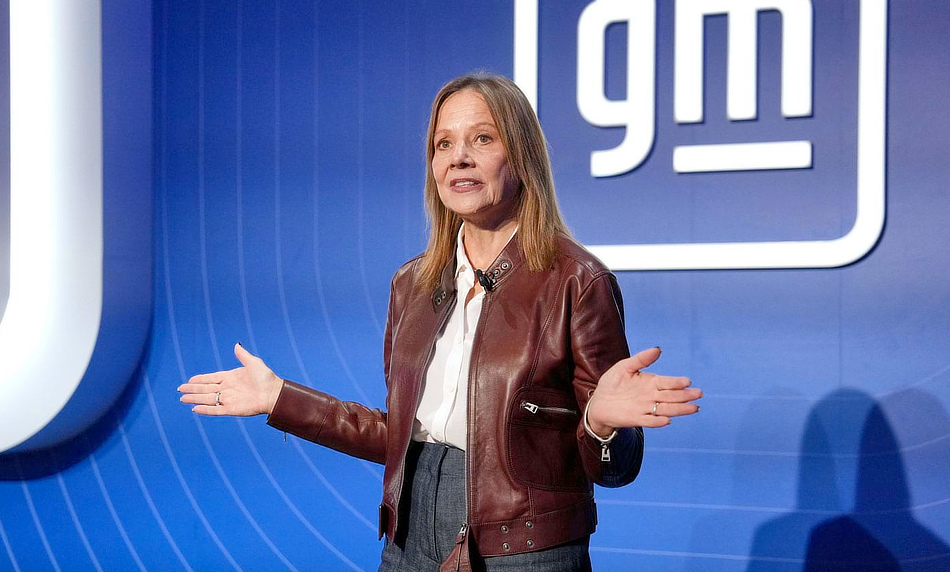
General Motors, once a symbol of American industrial might, finds itself buffeted by the whims of political power and market forces. CEO Mary Barra acknowledged that the Trump administration’s assault on fuel-economy and emissions regulations has reshaped the company’s strategy more profoundly than trade disputes ever could.
The elimination of a $7,500 electric-vehicle tax credit, coupled with a rollback of tailpipe standards, forced GM to abandon billions in EV investments and retreat toward the familiar terrain of gasoline-powered engines.
This is not simply a matter of corporate strategy; it is a microcosm of a nation and an industry shackled to the past, unwilling—or perhaps unable—to fully confront the existential threat posed by climate change.
Barra insists that battery-powered vehicles remain “the end game,” yet even she admits that without government incentives, the transition will be painfully slow, a cautionary tale of deferred action in the face of urgent necessity.
Plug-in hybrids and traditional hybrids are being considered as stopgap measures, but they are reminders of compromise, of a corporatized pragmatism that prioritizes market flexibility over moral imperative.
As rivals like Ford retreat from ambitious EV programs, GM absorbs billions in charges to unwind investments, highlighting the fragility of a system that reacts to short-term political whims rather than long-term survival.
The broader truth is stark: the fate of the planet and the future of industrial society are being shaped not by visionary leadership but by regulatory caprice and corporate risk calculations. Fuel economy mandates, once a guiding force toward sustainability, are being slashed.
And yet, like all powerful institutions, GM moves forward with cautious pragmatism, aware that the rules may tighten again in 2029, 2030, 2032.