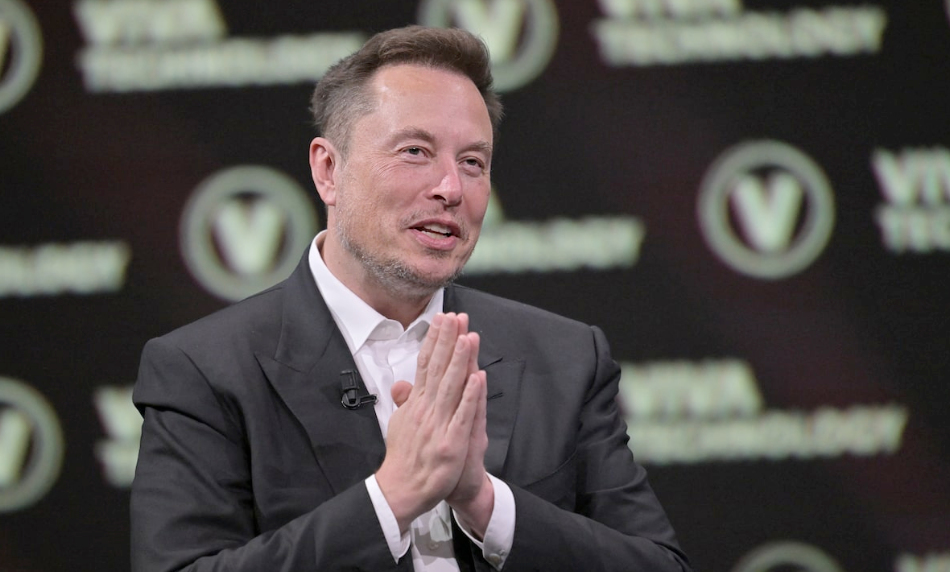
CEO Elon Musk said Tesla will end production of the Model S and Model X, repurposing factory space in California to build Optimus humanoid robots.
Tesla plans to more than double its capital spending to over $20 billion this year, marking a record investment shift away from its traditional electric vehicle business.
Instead of focusing on human-driven EVs, the company is channeling funds into emerging ventures such as fully autonomous vehicles and humanoid robots.
Most of the investment will go toward production lines for the steering-wheel-free Cybercab, the long-delayed Tesla Semi, Optimus robots, and expanded battery and lithium facilities.
Although Tesla still relies heavily on conventional EV sales, its valuation increasingly reflects investor confidence in Musk’s vision for robotaxis, robotics, and AI-driven mobility rather than car manufacturing alone.
Analysts view the spending surge as a strategic pivot rather than a risk. Industry observers say Tesla’s core story is now its transition to autonomy and AI, aligning it with major tech firms ramping up capital expenditures.
Supporters argue the investment is necessary to train AI systems and scale future products, increasing confidence that Tesla can deliver on its long-standing promises.