Vehicle problems rarely announce themselves politely. Most start as a small warning light, a strange noise, or a slight change in braking that drivers talk themselves into ignoring for another day. That is where avoidable breakdowns begin.
For business owners, fleet operators, property managers, and anyone responsible for keeping vehicles on the road, delayed repair is not just an inconvenience. It disrupts schedules, raises operating costs, and can turn a manageable service visit into a roadside failure. The real issue is not whether a vehicle will eventually need attention. It is whether the warning signs are recognized early enough to prevent downtime, safety risks, and damage that spreads from one system to another.
Why Delay Raises The Risk
1. Dashboard Warnings Should Change Behavior
One of the clearest signs a vehicle needs immediate attention is a warning light that stays on or starts flashing. Drivers often treat dashboard alerts as background noise, especially if the vehicle still starts and moves normally. That assumption is expensive. Modern vehicles are built to flag problems before a component fails, which means the warning is often the early opportunity to avoid a much larger repair.

When the check engine light, oil pressure light, battery warning, or temperature alert appears, the question is no longer whether something is wrong. The question is how serious the fault has become and how quickly it is escalating. In a work vehicle or managed fleet, fast diagnosis matters because one ignored alert can sideline the vehicle at the worst possible moment.
2. When Early Service Saves Time
Another common mistake is waiting for a problem to become obvious enough to “prove” the vehicle needs repair. That delay usually works against the owner. A vehicle with an engine fault, charging issue, or transmission problem may still run for a while, but continued use often places additional strain on connected parts and raises the cost of the final repair. What could have remained a focused service call becomes a larger mechanical job.
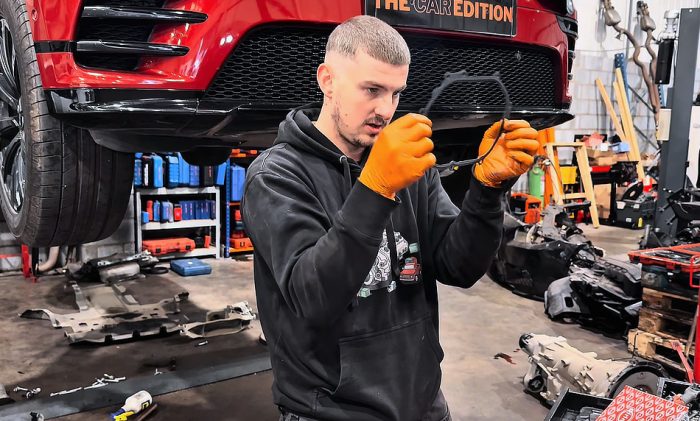
That is why many local drivers and fleet managers prefer to check in with a trusted auto shop in Fredericksburg, VA, as soon as a pattern develops, because recurring warning lights, rough shifting, or inconsistent performance rarely resolve on their own. They usually get more disruptive, more costly, and harder to schedule around.
3. Fluid Leaks Mean More Than Mess
A leak under a vehicle is not just a housekeeping issue. It is often one of the fastest visual clues that immediate repair is needed. Engine oil, coolant, transmission fluid, brake fluid, and power steering fluid all serve specific functions. When one of them starts escaping, the vehicle is no longer operating under normal conditions. Even a small leak can indicate a failing seal, a cracked hose, a damaged line, or a worn gasket.
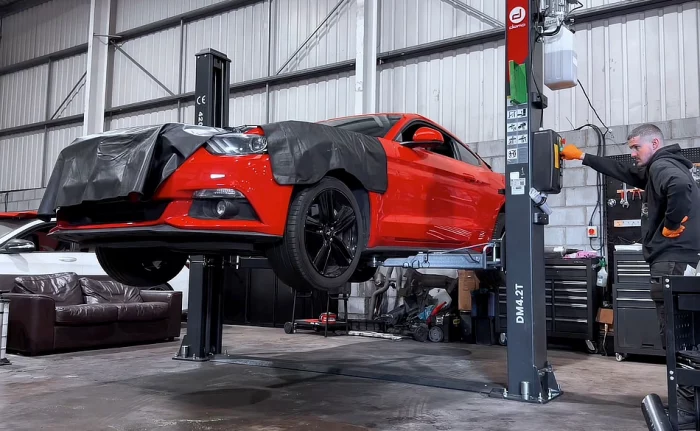
The real problem is that drivers tend to notice the stain after the system has already been losing fluid for some time. By then, heat, friction, or pressure may already be affecting other parts of the vehicle. In commercial use, where mileage stacks up quickly, that window for a simple repair can close fast.
4. Unusual Noises Deserve Immediate Follow-Up
Vehicles make normal operating sounds. What they should not do is produce new sounds that repeat, worsen, or appear under load. Squealing during braking, knocking from the engine, grinding from the wheels, whining during acceleration, or clunking over turns are all signs that something mechanical is wearing out or failing to stay aligned. Noise is often the first visible symptom of hidden damage.
The practical mistake is assuming the sound can wait, even though the vehicle still feels drivable. That approach creates risk. Brake wear can move into rotor damage. Suspension issues can affect steering control. Engine noises can indicate lubrication issues or internal wear that can become far more serious if the vehicle remains in service. Strange sounds are rarely harmless for long.
5. Braking Changes Need Fast Action
Few warning signs deserve more urgency than a change in braking. If the pedal feels soft, the stopping distance increases, the vehicle pulls to one side, or the brakes start vibrating, service should be moved up the priority list immediately. Braking problems are not comfort issues. They are direct safety concerns that affect everyone on the road.
For managers overseeing service vans, delivery vehicles, or staff transportation, the stakes are even higher. A vehicle that cannot brake predictably creates liability and repair costs. Pads, rotors, lines, calipers, and fluid systems all work together, which means a symptom in one area can quickly affect overall stopping performance. Waiting for a complete brake failure is not a repair strategy. It is an avoidable gamble.
6. Smoke, Smells, And Heat Matter
Drivers often underestimate the importance of what they smell inside or around a vehicle. Burning odors, a sweet coolant smell, fuel fumes, or visible smoke from under the hood should never be treated as minor annoyances. They usually indicate overheating, fluid leaks, electrical issues, or combustion-related faults that can worsen quickly if the vehicle remains in use.
Temperature problems deserve the same level of urgency. If the engine runs hotter than normal or the gauge rises unexpectedly, the vehicle is already under stress. Continued driving may push the engine past a safe operating threshold and cause damage that is far more expensive than the original issue. Heat is not a symptom to watch casually. It is a reason to stop, assess, and repair.
7. Loss Of Power Changes Everything
A vehicle that hesitates, stalls, struggles to accelerate, or shifts unpredictably is signaling a fault that can affect both drivability and safety. Power loss may stem from ignition problems, fuel delivery issues, sensor failures, transmission trouble, or restricted airflow. Whatever the cause, the vehicle is no longer operating reliably, so it should not remain in regular rotation without inspection.

This matters particularly for anyone managing business operations. A vehicle that loses power in traffic or fails during a work route does not just create repair costs. It disrupts schedules, strains staff, and can trigger missed appointments or service failures. Reliability is part of the asset, and once that reliability becomes questionable, immediate repair is the sensible move.
Fast Decisions Prevent Bigger Disruption
Immediate repair is rarely about reacting to drama. It is about recognizing that certain symptoms do not stay contained. Warning lights, leaks, changes in braking, unusual noises, smoke, overheating, and power loss all indicate systems that need attention before the vehicle becomes unsafe or unavailable.
For owners and managers alike, the practical advantage is clear. Acting early protects more than the vehicle itself. It protects schedules, service continuity, operating budgets, and driver safety. The most serious auto repairs start with a small signal that is easy to postpone. The smarter move is to treat those signals for what they are: an early chance to solve the problem before the vehicle decides the timing for you.