The collapse of the German automobile empire in China is not merely a commercial setback. It is a warning about what happens when an industry mistakes yesterday’s prestige for tomorrow’s power.
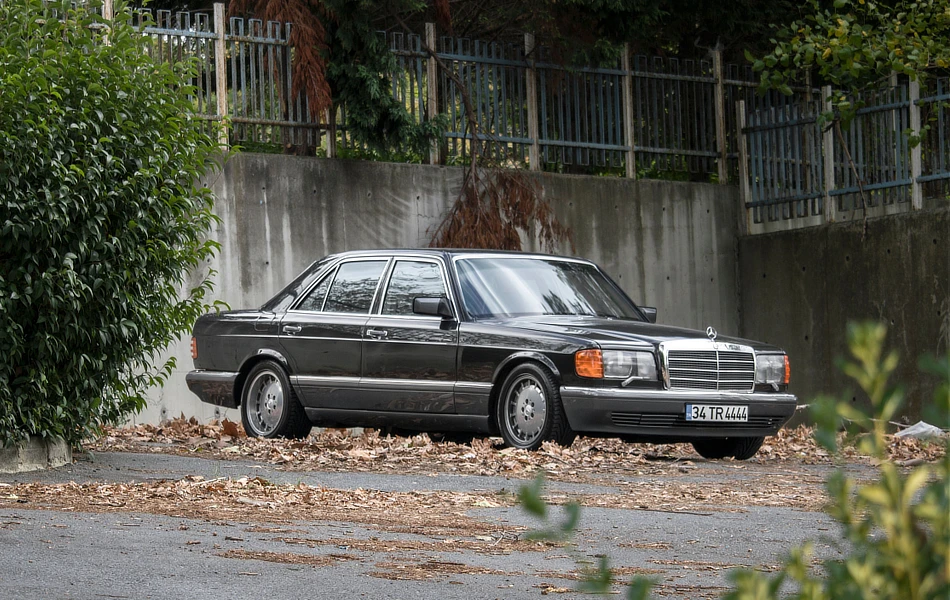
For decades, Mercedes-Benz, BMW and Volkswagen sold something more valuable than steel and machinery. They sold status.
German engineering was treated as a guarantee of quality. The three-pointed star, the BMW kidney grille and the Volkswagen badge carried an authority that Chinese manufacturers could not match.
That world is disappearing.
Mercedes’ electric CLA was supposed to demonstrate that the company could adapt. It was redesigned for Chinese consumers, stretched to provide more rear-seat space, equipped with sophisticated software and offered at a dramatically reduced price.
Mercedes even partnered with McDonald’s in a campaign designed to make the car fashionable among younger Chinese buyers.
Yet only 1,153 electric CLAs were sold in China during the first half of 2026. Xiaomi, a company better known until recently for smartphones and consumer electronics, delivered more than 80,000 SU7 sedans during the same period.
The humiliation is profound because it exposes a deeper failure. Chinese consumers are no longer asking simply whether a car is German. They are asking what the car can do.
Chinese manufacturers have adopted the logic of the technology industry. Models are refreshed rapidly. Software is central.
Driver-assistance systems improve continuously. Entertainment systems are designed around smartphones. Vehicles become products that evolve rather than machines that wait years for a new generation.
The German manufacturers remain trapped, in significant ways, in the industrial rhythms of the combustion-engine era.
This is why price cuts alone will not save them. Nor will advertising campaigns that attempt to manufacture youthfulness. A cheeseburger placed where the Mercedes star once stood cannot conceal a technological deficit.
The crisis is also political and economic. China has built an enormous domestic manufacturing base, encouraged competition and tolerated the brutal price wars necessary to create globally competitive companies. BYD, Xiaomi, Geely and others are willing to sacrifice profits today to dominate the market tomorrow.
The German companies cannot easily do the same. Their factories, workers and political systems are tied to a far more expensive industrial model.
China is therefore not simply becoming another automobile market. It is becoming a test of whether the old industrial powers can survive a technological revolution they did not control.
The Mercedes badge still means something.
But increasingly, in China, it does not mean enough.