Mercedes-Benz is undertaking a comprehensive review of its China operations after a sharp decline in deliveries and profitability intensified pressure on its business in the world’s largest automotive market.
The German automaker reported a 31% year-on-year fall in third-quarter deliveries in China, contributing to a more than 50% decline in adjusted earnings from its core passenger car division to €560 million (US$622 million). The company has also reduced its full-year financial outlook.
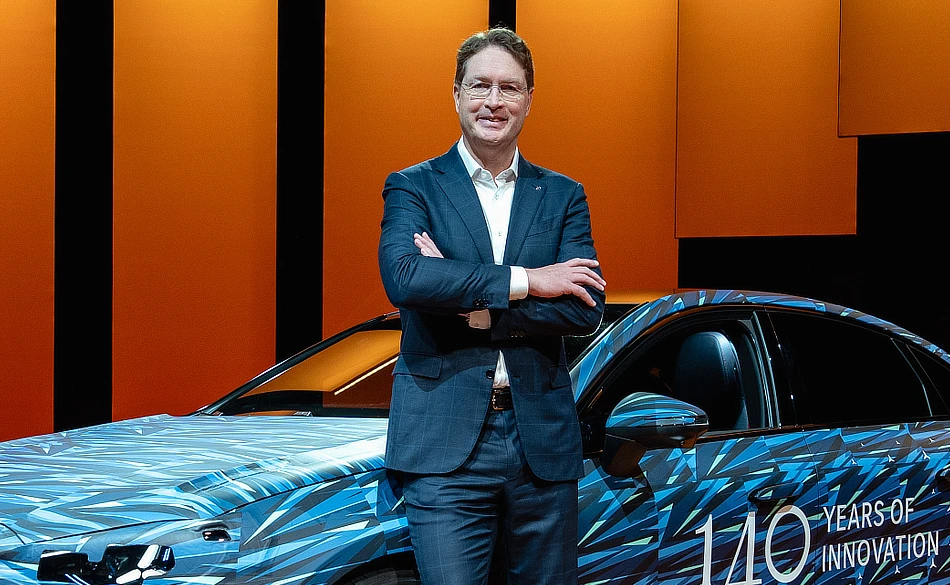
Chief Executive Ola Källenius said market conditions had deteriorated beyond expectations, particularly in the premium segment, where Mercedes traditionally generates its strongest margins.
A revised China strategy is expected in 2027, covering products, sales, manufacturing, software, technology and sourcing.
Despite mounting challenges, Källenius ruled out withdrawing from China, highlighting its market scale, advanced technology ecosystem and increasingly influential supplier base.
Mercedes’ sales in China peaked at 774,000 vehicles in 2020, before falling to approximately 575,000 last year. Deliveries declined a further 29% during the first nine months of 2026, as domestic manufacturers gained ground among consumers seeking competitive pricing and sophisticated digital features.
To strengthen its position, Mercedes is expanding partnerships with Chinese technology companies and suppliers while developing vehicles tailored more closely to local preferences.
Its forthcoming electric E-Class is expected to be a key test of this approach, combining increased local sourcing with a cost structure designed for Chinese market conditions.
The company is also targeting an 8% reduction in global material costs compared with 2024 levels.
However, Mercedes faces a difficult balancing act: improving affordability without undermining its premium positioning. Its ability to translate localisation into stronger demand will be central to the success of its next China strategy.