Japanese automakers are set to standardise a range of vehicle materials and components, beginning with steel, resins and wire harnesses, in a move aimed at reducing procurement costs and strengthening the industry’s competitiveness against overseas rivals.
The Japan Automobile Manufacturers Association (JAMA) announced the initiative on Thursday, saying greater cooperation among manufacturers would enable the industry to streamline procurement and gradually expand standardisation across a wider range of parts and materials.
The initiative is intended to free up financial and management resources for investment in strategic areas, particularly next-generation automotive technologies, as competition from international manufacturers intensifies.
However, while standardisation could benefit suppliers by generating larger-volume orders, it may also increase pricing pressure and make it more difficult for manufacturers to differentiate their products, according to industry analysts.
JAMA plans to collaborate with the Japan Auto Parts Industries Association to advance the initiative.
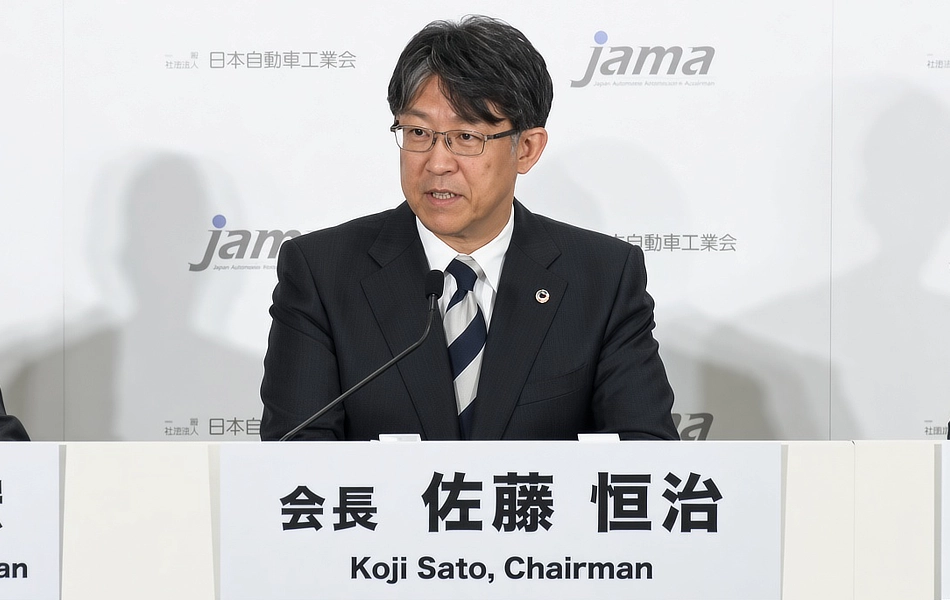
Koji Sato, chairman of JAMA and vice chairman of Toyota Motor Corp., said the decision to begin with steel, resins and wire harnesses reflected concerns raised by industry professionals working on the ground.
The broader objective is to allow automakers to direct more management resources towards areas where they can strengthen their competitive advantage.
Steel and resins are extensively used in vehicle bodies and interiors. Under the initiative, automakers will seek to standardise the types of steel sheets used across their operations.
For resins, the focus will be on aligning evaluation criteria for recycled materials, which currently differ between manufacturers.
Wire harnesses, which bundle electrical cables and connect various vehicle systems, represent another significant opportunity for standardisation.
The industry currently uses approximately 70,000 different types, highlighting the potential to simplify specifications and reduce complexity across supply chains.
The initiative comes as the automotive industry undergoes a profound transformation, with the development of electric vehicles, autonomous driving systems and software-defined vehicles requiring substantial investment in research, development and production capabilities.
At the same time, the growing influence of Chinese automakers and other emerging competitors is putting additional pressure on established Japanese manufacturers to improve efficiency, reduce costs and accelerate technological development.
Against this backdrop, cooperation among Japanese automakers is gaining momentum as companies seek to strengthen their global market positions.
By aligning component specifications and procurement practices, the industry hopes to achieve economies of scale while improving supply-chain efficiency.
The success of the initiative, however, will depend on balancing cost reductions with suppliers’ ability to maintain innovation, quality and technological differentiation.