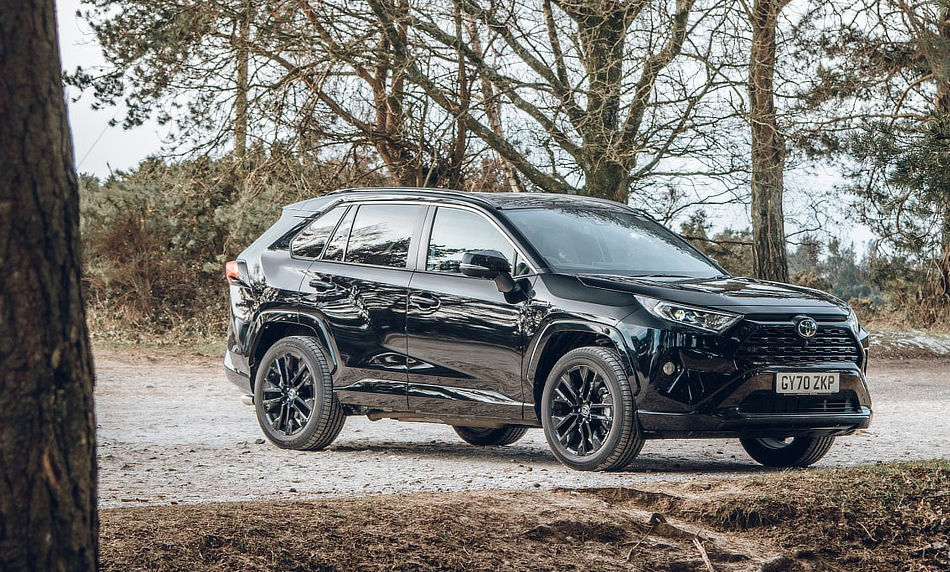
Toyota is leaning toward hybrids rather than fully electric vehicles, arguing they represent a more realistic and efficient path to reducing emissions in the near term.
Through its “1:6:90” strategy, the company believes the resources required to build a single EV could instead be used to produce six plug-in hybrids or 90 conventional hybrids, potentially delivering a greater overall environmental benefit.
This thinking reflects ongoing challenges with EV adoption, particularly consumer concerns over range and practicality.
By combining electric driving with the flexibility of gasoline power, hybrids and plug-in hybrids offer a middle ground.
Vehicles like the RAV4 Prime and Prius Prime can handle the average daily commute entirely on battery power, while avoiding the compromises associated with full EV ownership.
Despite their technical complexity, hybrids deliver efficiency gains and align closely with current buyer expectations.
Toyota’s believes hybrids remain the most sensible choice for many drivers today. But the long term is difficult to judge, eventually EVs will win out in the end.