January 26–30 saw Formula One teams gather at the Circuit de Catalunya in Barcelona for a private test session ahead of two official tests later this month in Bahrain. Lewis Hamilton topped the timesheets for Ferrari at the conclusion of the Barcelona test. However, outright lap times carry little significance in what is essentially a primary systems check and engineering shakedown.
Mercedes completed the most laps, with Ferrari second, and both teams experienced uninterrupted test sessions—arguably more important than setting the fastest lap. This allowed Ferrari and Mercedes to collect a substantial amount of real-world data, which is especially valuable given how severely modern regulations restrict on-track testing.
As a result, teams rely heavily on virtual testing using simulators and digital performance data. However, real-world data remains far more valuable, as no computer can perfectly replicate all the variables encountered on track. Some teams achieve a close approximation, while others are often left puzzled when simulator results fail to align with reality.
Ferrari appears to fall into the latter category in terms of clarity, but based on this test the team seems cautiously optimistic. Mercedes, meanwhile, looks both fast and bulletproof. Red Bull, on the other hand, lacks clarity at this stage. The team is building its own power unit, and while it has not encountered any problems yet, issues are likely to emerge once they begin pushing the engine harder.
The And The Ecstasy
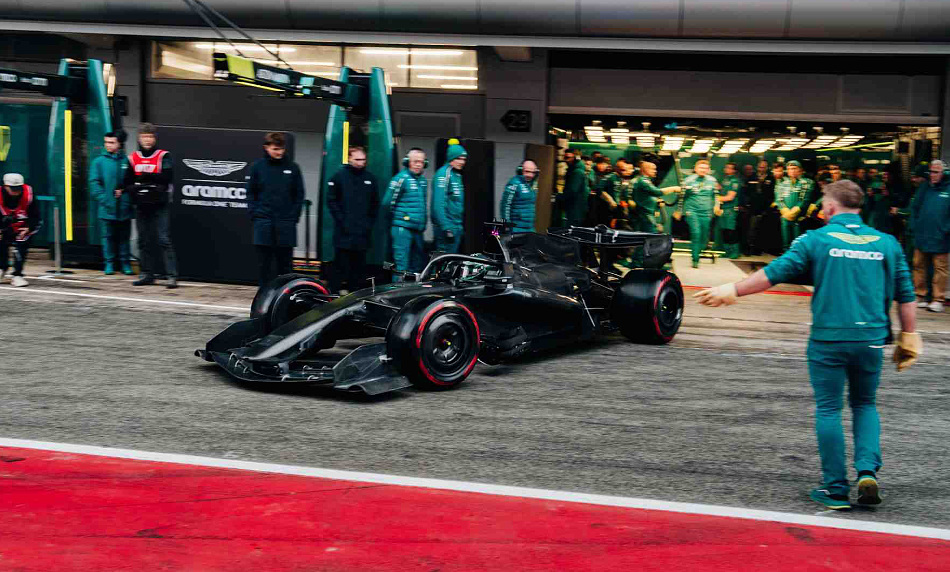
Williams arrived late to testing and is reportedly overweight. Aston Martin was even later and managed just one day of running. The AMR26, Adrian Newey’s first car for his new team, featured a significant amount of innovation. However, translating innovation into lap time is where the real challenge lies.
For that reason, I would rate Aston Martin as a dark horse. And what about McLaren? They seemed to fly under the radar, posting headline-grabbing lap times while also completing a solid overall program. The team should be competitive—but, honestly, it’s difficult to draw firm conclusions.
As for the remaining teams—Audi, Cadillac, Haas, Alpine, and others—expect Audi to endure a painful season near the back of the grid, with the rest largely making up the numbers.
What we do know is that Mercedes has the most powerful engine on the grid. If they—or any of their customer teams—produce an effective chassis, a Mercedes-powered car could dominate the season. Has Ferrari been too conservative? Will Red Bull struggle as it comes to terms with the reality that developing a power unit from scratch is a year-long nightmare?
One thing is certain: we know almost nothing and cannot draw meaningful conclusions from a test session. F1 2026 is anyone’s game at this point… except, perhaps, Williams.