Lamborghini has retreated from the electric future it once theatrically previewed, abandoning plans to bring the Lanzadorto production. The reason is not technological failure but something more revealing: the ultra-wealthy buyers who sustain the supercar economy have shown little appetite for silence.
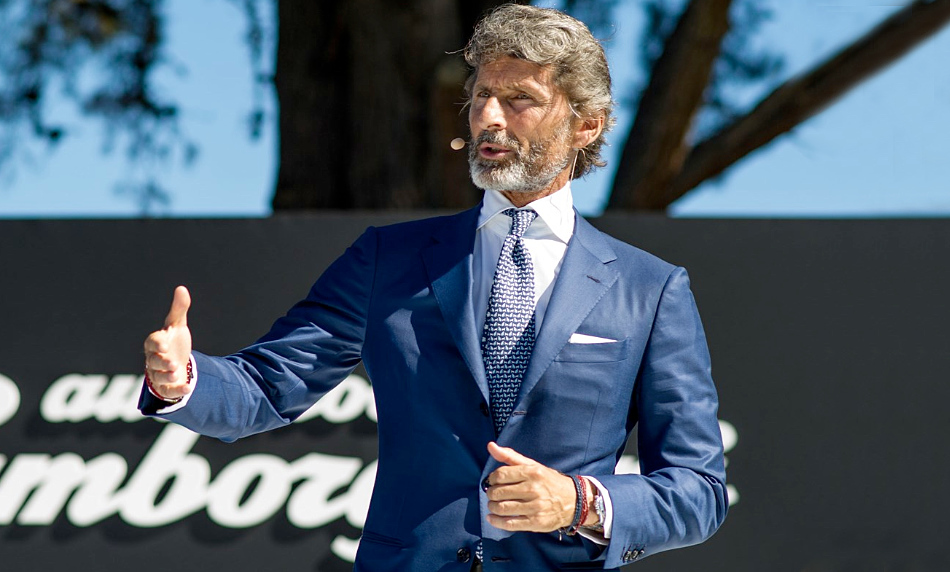
Chief executive Stephan Winkelmann delivered the verdict with unusual candor, warning that pursuing full electrification risks becoming an “expensive hobby.” Among Lamborghini’s clientele, he said, the acceptance curve for battery-powered excess is “close to zero.” Emotion — that carefully manufactured cocktail of noise, vibration, and spectacle — still rules the marketplace of luxury performance.
Instead, the company will march toward a fully plug-in hybrid lineup by 2030, preserving combustion engines “as long as possible.” The pivot underscores a broader truth: even as the auto industry speaks the language of electrified inevitability, its most profitable fringes remain tethered to the visceral drama of fossil-fueled power.
Owned by Volkswagen Group through Audi, Lamborghini posted record deliveries of 10,747 cars in 2025, buoyed by hybrids like the Revuelto, the plug-in Urus, and the new Temerario. These machines promise what the company believes electric cars cannot yet supply: the illusion of progress without the sacrifice of spectacle.
Plug-in hybrids, Winkelmann argues, offer the “best of both worlds.” What they truly offer is a compromise — one that allows Lamborghini to speak the language of sustainability while continuing to sell the roar its customers still crave.