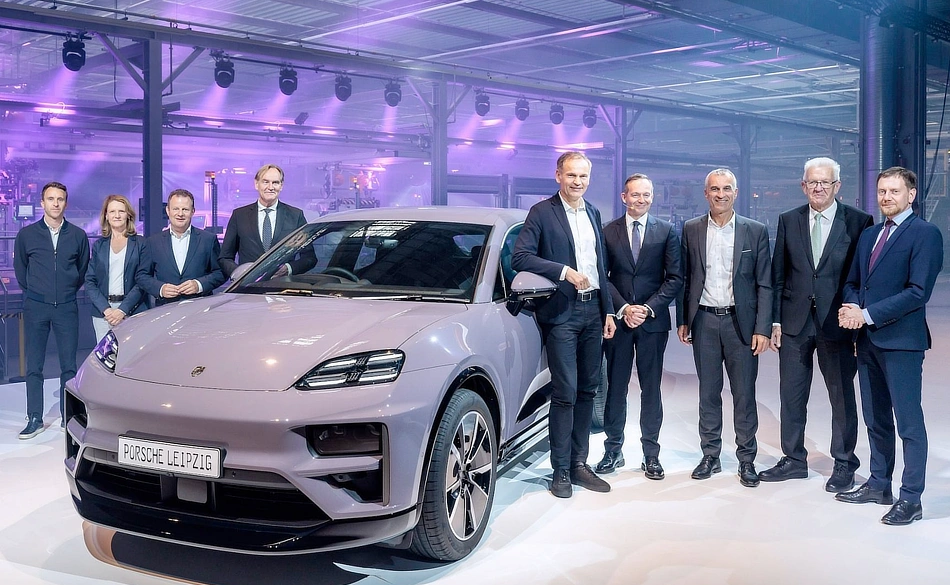
For a company that built its reputation on precision engineering and unwavering confidence, Porsche suddenly looks… cautious.
Yes, the headline numbers are respectable. A 7.1% margin in the current climate isn’t embarrassing, and landing near the top of guidance suggests the business hasn’t lost control of the wheel. But look a little closer and the picture is less reassuring: falling deliveries, shrinking revenue, and a heavy reliance on cost-cutting rather than growth.
What’s really happening here is a brand in transition—perhaps even in retreat.
For years, Porsche was the profit engine of the Volkswagen Group empire, printing margins other carmakers could only dream of. Now it’s grappling with the same issues plaguing the wider German industry: a cooling Chinese market, geopolitical uncertainty, and the uncomfortable realisation that the electric future won’t be as smooth—or as profitable—as once promised.
The decision to walk back elements of its EV strategy has already cost billions. Ending production of core models like the 718 twins and reshuffling the lineup may make long-term sense, but in the short term it leaves gaps—gaps that show up very clearly in a 15% drop in deliveries.
And then there’s the cost-cutting. Trimming nearly 4,000 jobs and “scrutinising every cost item” might please investors, but it’s hardly the language of a company on the offensive. It’s defensive. Necessary, perhaps—but still defensive.
Selling off stakes, reconsidering side businesses, even stepping back from ultraluxury ventures like Bugatti all point in the same direction: focus, simplification, survival.
None of this means Porsche is in trouble. Far from it. The fundamentals—brand strength, engineering pedigree, pricing power—remain intact. But the aura of invincibility has taken a dent. This is no longer the company that simply decides what the market should want and then delivers it at a premium. It’s a company reacting to forces largely outside its control.
There is, however, a more optimistic reading. If this really is the trough—as some analysts suggest—then Porsche is doing exactly what it should: tightening up, clearing out distractions, and preparing for the next phase. A leaner Porsche, focused on its most profitable products and less distracted by ambition for its own sake, could emerge stronger.
But that depends on execution. Cutting costs is the easy part. Reigniting growth—especially in a world where China is no longer a guaranteed win and electrification is more complex than expected—is much harder.
Porsche has built its legacy on getting the hard things right. Now it has to prove it still can.