Honda’s crisis is not merely the story of a struggling automaker. It is a story about what happens when institutions lose contact with the realities that once sustained them.
Inside the company, a quiet rebellion has emerged. Retired executives, custodians of Honda’s engineering tradition, have concluded that the company’s leadership has become detached from the factory floor, the customer, and the markets that determine survival.
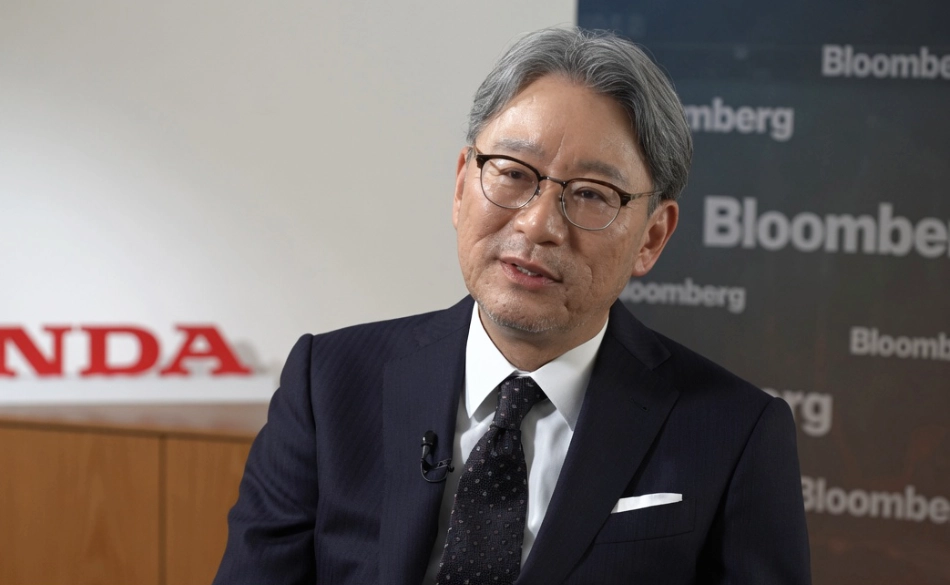
Their frustration is directed at CEO Toshihiro Mibe, whom they accuse of steering Honda into strategic dead ends while failing to confront the erosion of its position in China, now the center of gravity of the global auto industry.
The conflict reflects a larger upheaval shaking the automotive world. Legacy manufacturers, built on decades of industrial discipline and incremental improvement, find themselves confronting competitors that move faster, adapt more quickly, and increasingly define the future of transportation.
The vast investments poured into electric vehicles have not produced the returns many executives promised. Across the industry, billions of dollars have been written off as companies retreat from earlier ambitions.
At Honda, these pressures have exposed deeper anxieties. Veterans worry that the company’s culture—once obsessed with engineering excellence and close attention to conditions on the ground—has weakened. Market share in China has collapsed. Costly EV projects have been abandoned. Profitable divisions increasingly resent carrying the burden of weaker ones.
Yet the struggle is also about power. The old guard no longer commands the influence it once did. Modern corporate governance has shifted authority toward boards and outside directors, insulating current leadership from the intervention of former executives. As a result, Mibe remains in place despite growing criticism from some of Honda’s most respected alumni.
The question facing Honda is larger than the fate of any one executive. It is whether a company forged in an era of mechanical ingenuity can adapt to a world increasingly shaped by software, electrification, and fierce Chinese competition.
Institutions often survive periods of poor leadership. What they do not always survive is the loss of the culture that made them successful in the first place. Honda’s future may depend on whether it can recover that culture before the market renders the debate irrelevant.