At Volkswagen, the battle over the future of the company is no longer only about factories, balance sheets, or the language of corporate efficiency. It is about the people whose lives have been built around the industrial empire that helped define modern Germany.
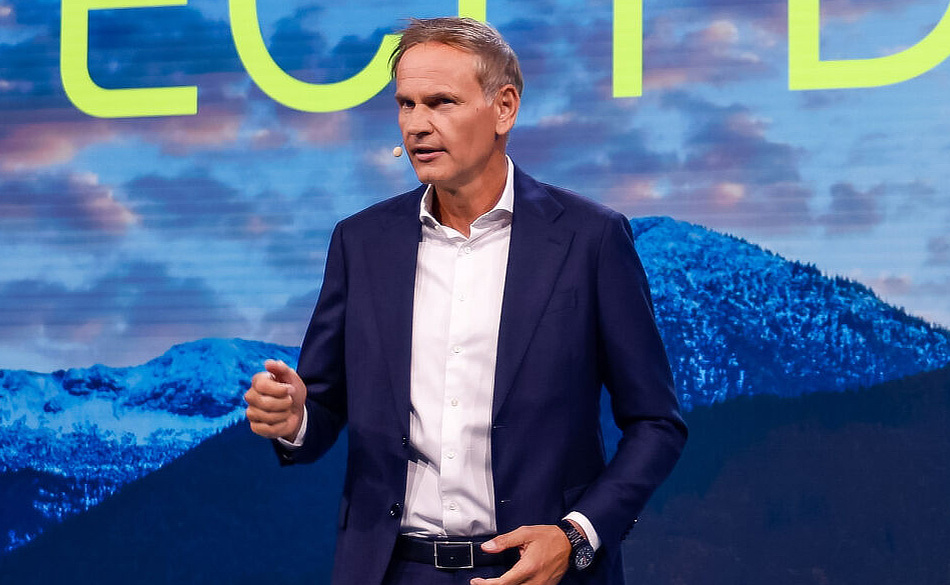
In August, Volkswagen Group CEO Oliver Blume will sit before workers at company assemblies in Wolfsburg, Emden, and Zwickau — places where uncertainty has replaced the confidence that once surrounded one of Europe’s most powerful manufacturers. Employees will have the chance to confront the executive whose restructuring plans they say threaten the livelihoods of as many as 140,000 people.
The meetings come as Volkswagen considers sweeping changes to survive an increasingly competitive global automotive market. Emden and Zwickau, two major German production sites, are among four facilities facing possible closure if alternatives cannot be found. Audi’s Neckarsulm plant and Volkswagen Commercial Vehicles’ Hanover facility are also under threat.
For executives, the argument is framed in the language of competitiveness: lower costs, greater efficiency, survival in a market transformed by electric vehicles and aggressive international rivals. For workers, the numbers represent something far more personal — communities, families, and decades of industrial knowledge placed at risk by decisions made far from the factory floor.
Blume has argued that Volkswagen must cut another 50,000 jobs on top of the 50,000 reductions already agreed with unions in order to restore competitiveness. The works council warns that possible plant closures after 2030 could endanger another 40,000 positions, creating a profound social impact across Germany’s manufacturing regions.
The confrontation reflects a broader struggle facing traditional automakers: how to adapt to a changing industry without abandoning the workers who built their success. The future of Volkswagen will not be decided only by production targets and financial forecasts, but by how the company balances economic pressure with its responsibility to the people who have carried its name for generations.
Volkswagen has said no agreements on plant closures have been reached and declined to comment on the works council’s job-loss estimates. But for thousands of employees, the uncertainty itself has already become a reality — one measured not in corporate projections, but in the possibility of losing the factories that anchor their communities.