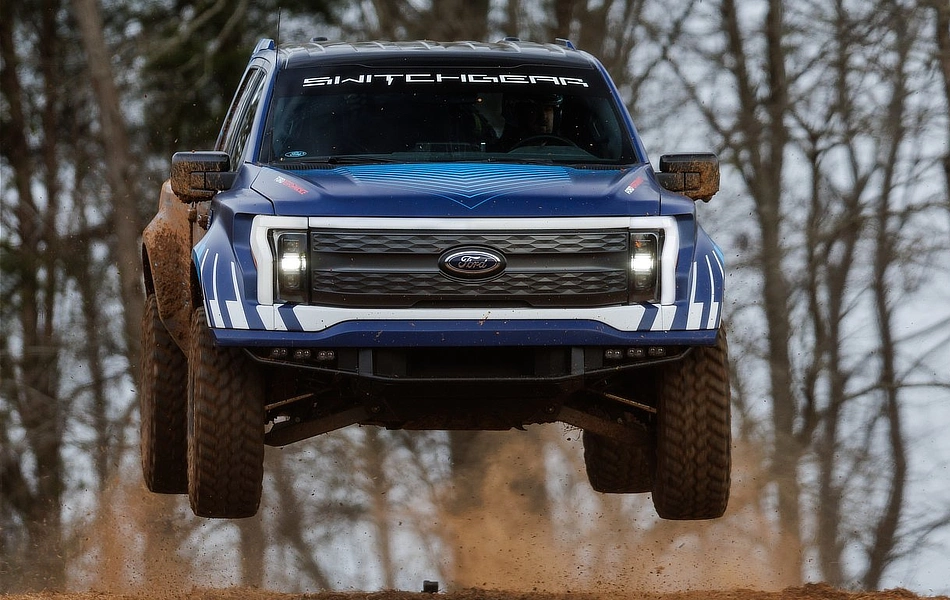
Ford’s electric-vehicle story is beginning to look less like a steady march forward and more like a race in which the company realized, rather late, that its competitors had already taken a different route.
While Ford focused on adapting familiar vehicles such as the F-150 Lightning and Mustang Mach-E, Chinese EV manufacturers were rapidly expanding their expertise in batteries, manufacturing efficiency and, crucially, affordable electric vehicles. By the time Ford began seriously turning toward lower-cost EVs, China’s EV industry had already built a substantial lead.
The new Ford Fathom is an acknowledgment of that gap—and an attempt to close it.
Priced at a targeted $28,350, the four-door electric pickup represents a dramatic departure from Ford’s first-generation EV strategy. Rather than simply electrifying an existing truck, Ford is effectively going back to the drawing board, developing a smaller and more affordable vehicle designed around the economics of an electric powertrain from the start.
That shift matters. Ford’s early EV efforts demonstrated that there was demand for electric trucks and SUVs, but their relatively high prices limited the market. The Fathom aims at a very different customer: buyers who want an electric vehicle without paying a premium for it.
Ford may have acted too late to catch the Chinese EV industry outright. But the Fathom suggests the company has finally recognized the lesson that helped China move so quickly: winning the EV race is not simply about building electric versions of yesterday’s vehicles. It is about making tomorrow’s EVs cheaper, simpler and easier to produce.
The Fathom is Ford’s second shot—and potentially its most important one.