Aion is the latest Chinese EV brand to arrive in the UK, pitching itself as a premium alternative without the premium price tag. It is the upmarket sub-brand of GAC, the 75-year-old Chinese automotive giant with long-standing manufacturing partnerships with Honda and Toyota.
Following the launch of the Aion V SUV, the UT is aimed at the supermini hatchback market — although calling it a conventional supermini feels increasingly difficult.
Built on the same platform as the V, it has the footprint and practicality of a hatchback but with a distinctly MPV-like approach to space and utility.
The Exterior
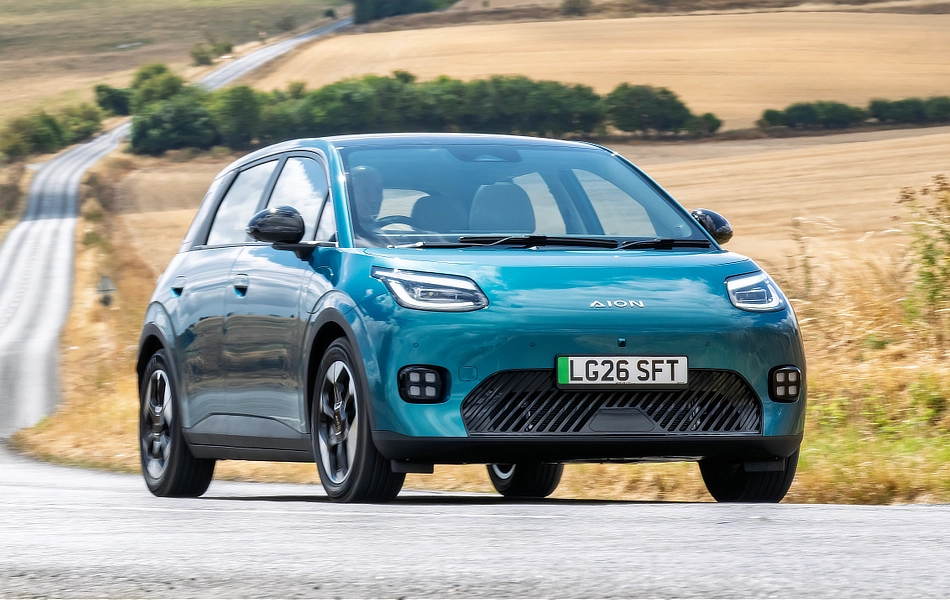
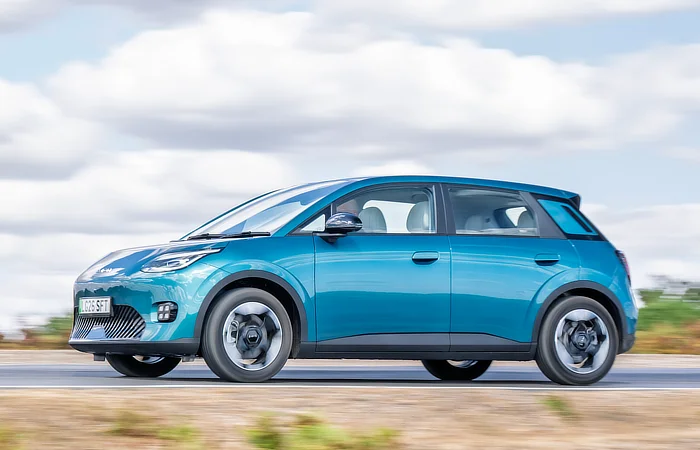
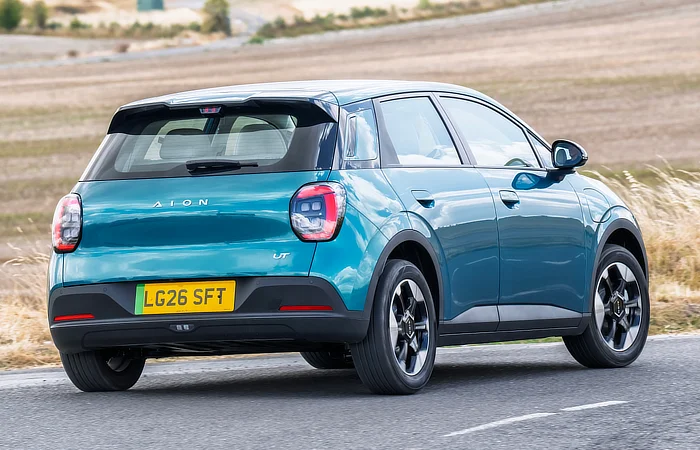
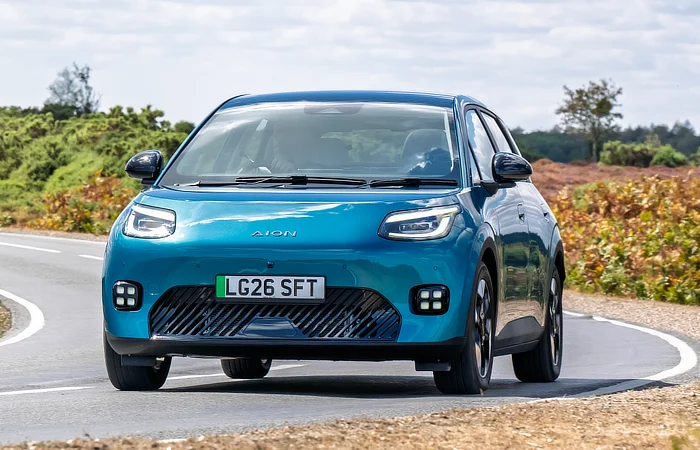
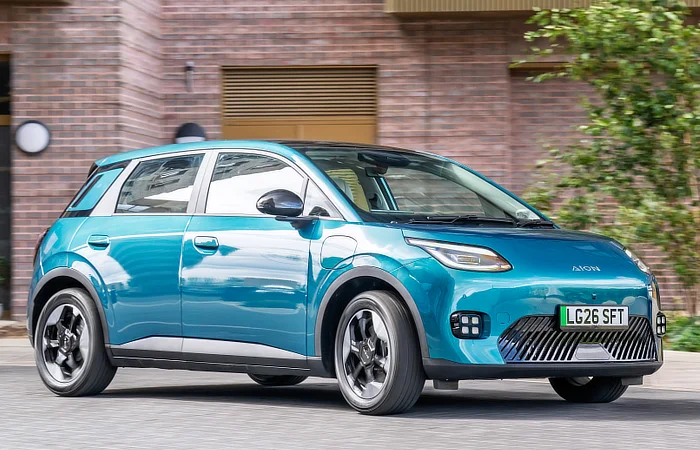
The UT has clean, tidy and well-proportioned styling, with enough concept-car influence to make it stand out without looking eccentric.
Only two versions are coming to the UK, starting at £28,950. Standard equipment is generous, including 17-inch alloy wheels, ADAS, heated steering wheel and seats, electric seats and a four-stage, 10kW heat pump.
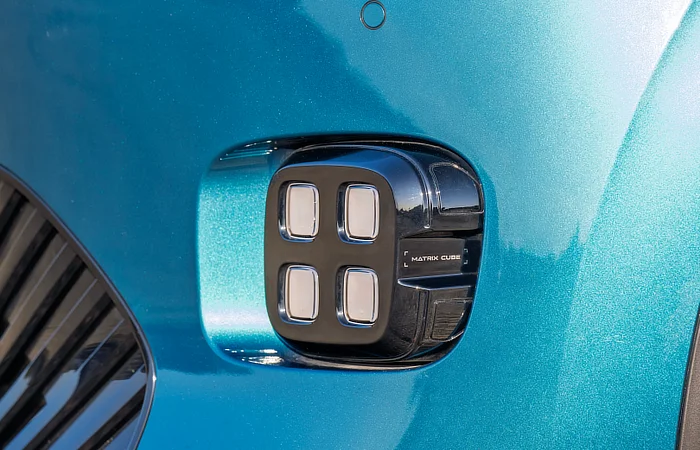
Up front, Aion has given the UT LED headlights with what it calls a playful pixel-graphic daytime running-light design. The headlights themselves are inspired by an owl’s eyes. But I couldn’t see the influence.
The £30,150 Premium Pack adds a panoramic glass roof, electric shade, folding door mirrors, ventilated driver’s seat, wireless charging, powered tailgate and further interior upgrades.
The Interior
The UT’s cabin is one of its strongest points. Fit and finish are excellent, with none of the squeaks or rattles that can undermine a supposedly premium interior. At first glance, it genuinely feels upscale.

Look closer, though, and some of the materials are more utilitarian than luxurious. Aion has cleverly concentrated soft-touch materials around the areas you interact with most — its “touchpoints” — and the result is an interior that feels more premium than its materials might suggest.
There are two interior themes: Noir as standard, or French Cream for £195 extra with the Premium Pack.
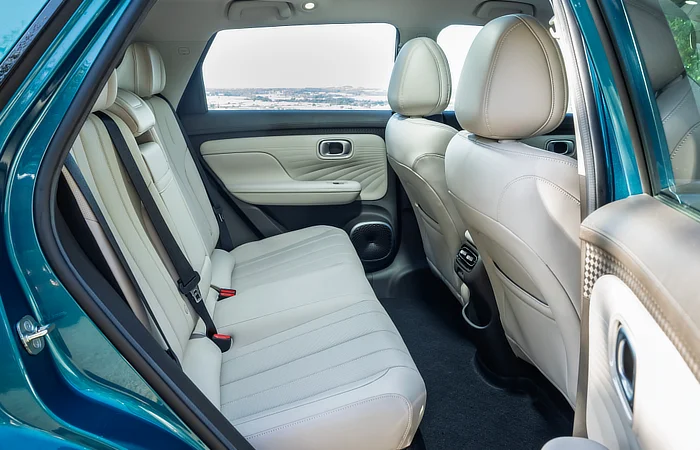
The seats are lined in high-grade leatherette that feels remarkably close to Nappa leather. They’re comfortable, supportive and offer good lateral and thigh support.
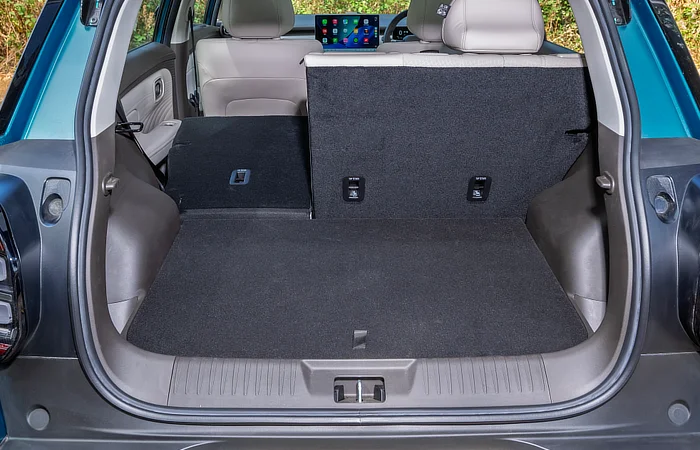
Space is another UT strength. Front occupants have plenty of room, while rear passengers benefit from slightly elevated, reclining seats. The downside is boot space, although 440 litres is still respectable, expanding to a useful 1,600 litres with the rear seats folded.
Infotainment
The dashboard is dominated by a crisp 14.6-inch central touchscreen, backed by an 8.88-inch LCD instrument display. Powered by Qualcomm’s Snapdragon SA8155P processor, the system feels quick and responsive, while wireless Apple CarPlay and Android Auto provide straightforward access to the apps most drivers actually use.
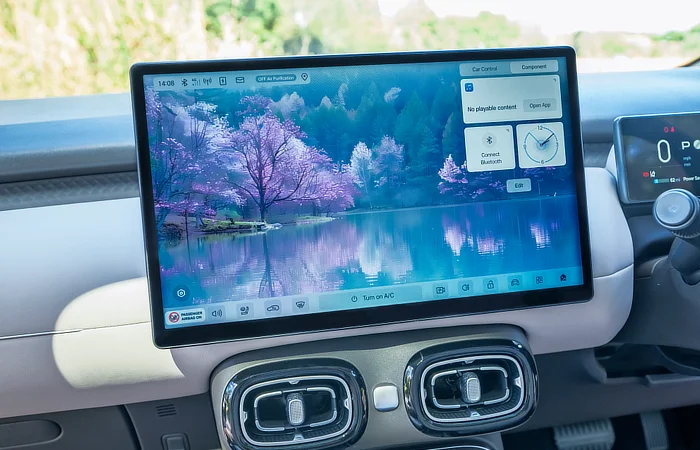
There’s also a Wi-Fi hotspot, a six-speaker 140-watt ADiGO audio system, USB-A and USB-C connectivity and, with the Premium Pack, a cooled wireless charging pad and an additional USB-A port for rear passengers.
The Drive
The UT uses a front-mounted electric motor producing 204 PS and 210Nm. Crucially, it weighs around 200kg less than the Aion V, and you can feel the difference. Straight-line performance is impressively sprightly.
Aion has also done its homework for British roads. MacPherson struts up front and a torsion beam at the rear are backed by revised dampers, spring rates and bump-stop tuning.
If you don’t know what on earth I am talking about, it’s engineering talk for “we know what we are doing“.
That being said, the UT rides with impressive composure, smoothing out Britain’s less-than-perfect roads while maintaining decent body control. The chassis is actually rather playful, and the steering — once you switch off the overenthusiastic lane-keep assist — is nicely judged.
It isn’t a sports car, nor does it pretend to be. Instead, it delivers a comfortable, composed and unexpectedly smooth driving experience.
There are three drive modes — Sport, Comfort and Power Save — alongside two levels of regenerative braking. Aion claims 263 miles from the 60kWh CATL-sourced battery. Real-world range is actually closer to 250 miles.
DC charging at up to 87kW takes the battery from 10 to 80 per cent in around 32 minutes, while an 11kW home charger can replenish it in approximately 6 hours and 50 minutes.
The Verdict
The Aion UT may not redefine the electric hatchback, but it gets the fundamentals right. It is spacious, comfortable, well-equipped and offers genuinely competitive range. The interior isn’t truly premium, but solid build quality and clever material choices make it feel that way.
Then there’s Aion’s Great 8 Promise, which includes an eight-year or 100,000-mile vehicle warranty, an eight-year or 125,000-mile battery warranty, eight years’ servicing, eight years’ roadside assistance and MOT testing fees covered through the eighth year from first registration.
The biggest issue with the Aion UT is its price. It is aiming high, with the premium buyer in mind, but it needs a lower entry price. Perhaps the Great 8 promise could be offered as an optional extra to help bring the price down.
The UT is a response to the Geely EX2. While the latter is China’s best-selling new car, SUVs dominate new-car sales in the UK.
While the Aion UT doesn’t rewrite the EV rulebook, it is entering a highly competitive market. Is it a knife in a gunfight, or is Aion holding a pen, ready to rewrite the rules of engagement?