The price of war eventually arrives at the petrol station.
It does not arrive wearing a uniform. It does not announce itself with a missile launch or appear on a battlefield map. It arrives as a number on a fuel pump, and then as another number at the supermarket checkout.
The average US retail price of diesel has now climbed above $6.50 a gallon, reaching $6.5050 on Sunday, according to AAA data. Only two weeks ago, the national average had crossed $6. A month ago, it was $5.5477.
In four weeks, another dollar has been added to the cost of a gallon of diesel.
Gasoline is following the same trajectory. The national average has risen to $4.4761 a gallon, compared with $4.1044 a month ago and $3.1894 a year ago.
These are not merely numbers for economists to arrange in spreadsheets.
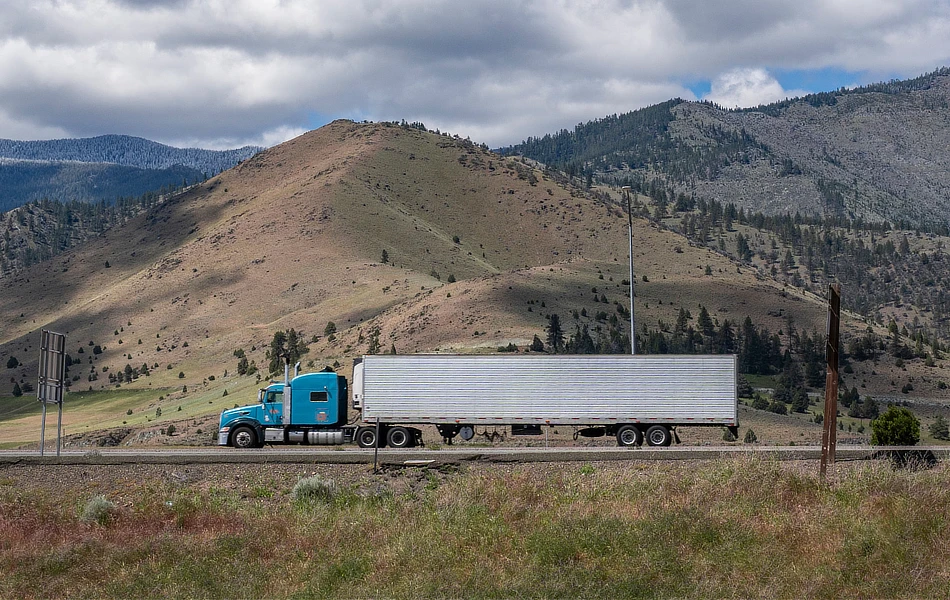
Diesel is the bloodstream of the industrial economy. It moves the trucks that carry food. It powers agricultural machinery, construction equipment and heavy industry. When diesel becomes more expensive, the cost eventually travels through the entire supply chain.
The burden falls hardest on those with the least ability to absorb it.
Meanwhile, the language of policymakers remains bloodlessly technical. Inflation. Interest rates. Supply disruption. Recession risk.
But behind those words are families forced to choose between necessities, businesses watching margins disappear and workers paying more simply to get to work.
Goldman Sachs has lowered its estimate of the probability of a US recession over the next year from 30% in March to 15%. But even its chief economist acknowledges that another shock could send that estimate higher.
The machinery of modern life depends upon fuel.
And when the fuel becomes scarce or unaffordable, the consequences do not remain at the pump.
They spread.