According to retired Colonel Lawrence Wilkerson, former Chief of Staff to United States Secretary of State Colin Powell, the world is facing a diesel shortage crisis. The crisis is being intensified by the war involving America and Iran, which has set much of the Middle East on fire.
Literally.
Trump’s bizarre, unprovoked and therefore illegal bombing of Iran was repelled by a superior Iranian response. The conflict then spilled further into the region. Six months into the unnecessary conflict, Saudi Arabia launches an equally bizarre and unprovoked attacks against neighbouring Yemen.
What began as a campaign for geopolitical dominance has produced consequences that Washington and Riyadh may not have anticipated. Rather than demonstrating overwhelming American power, the conflict has exposed the limits of that power.
Saudi Arabia now faces attacks from Ansar Allah on its territory and critical infrastructure, while the United States is being forced to confront the consequences of a conflict spreading across multiple fronts.
Yemen has attacked Saudi oil infrastructure, including the kingdom’s critical export network. The damage has disrupted important routes at precisely the moment when global energy markets are already under enormous pressure. Saudi Arabia has sought assistance from its allies, but few appear willing to become directly entangled in an expanding war.
The consequences extend far beyond the Middle East.
Saudi Arabia’s East-West oil pipeline has been shut following attacks, while fighting around Yemen has secured the strategically important Bab el-Mandeb shipping route. The Strait of Hormuz has also been severely disrupted by the wider conflict. Together, these developments have placed enormous pressure on global oil and refined-fuel supplies.
And diesel matters.
Diesel is the fuel that moves much of the modern economy: trucks, agricultural machinery, construction equipment, ships and industrial vehicles all depend heavily on it.
If diesel supplies tighten further, the consequences will not remain confined to petrol stations or energy markets. Transport becomes more expensive. Food distribution is affected. Agriculture becomes more costly. Manufacturing and construction face higher expenses. Eventually, those costs work their way into almost everything.
The danger is therefore not simply an oil-price crisis.
It is a supply-chain crisis.
There is now talk of America being in such a desperate situation that Trump, behind closed doors, is considering the use of nuclear weapons. Trump says this would be necessary to save Iranian women, prevent Iran from developing nuclear weapons and for a whole host of other reasons.
None of it makes any sense.
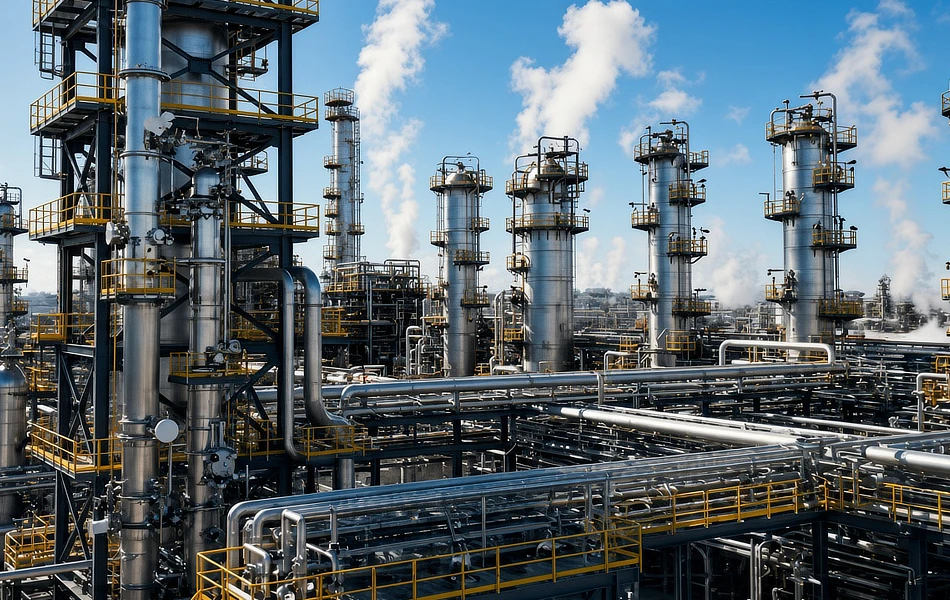
So, in the midst of this impending crisis, we here at the Daily Car Blog thought: how is diesel fuel actually made?
That brings us to the second video, an interview with retired Colonel Lawrence Wilkerson, now an analyst and commentator, who outlines what he believes could be the grim reality facing the world as the energy crisis develops.