Volkswagen’s historic Spanish marque could be heading for the exit as the automotive industry enters a new era of consolidation.
After more than 70 years on the road, Seat’s future is increasingly uncertain.
Volkswagen has confirmed that the Spanish brand’s future beyond its current product cycle is under review, with “various scenarios” possible beyond 2030.
While no final decision has been announced, the signs point towards Seat potentially being phased out as its existing combustion-engine models reach the end of their lives.
The biggest threat may be sitting within Volkswagen’s own family.
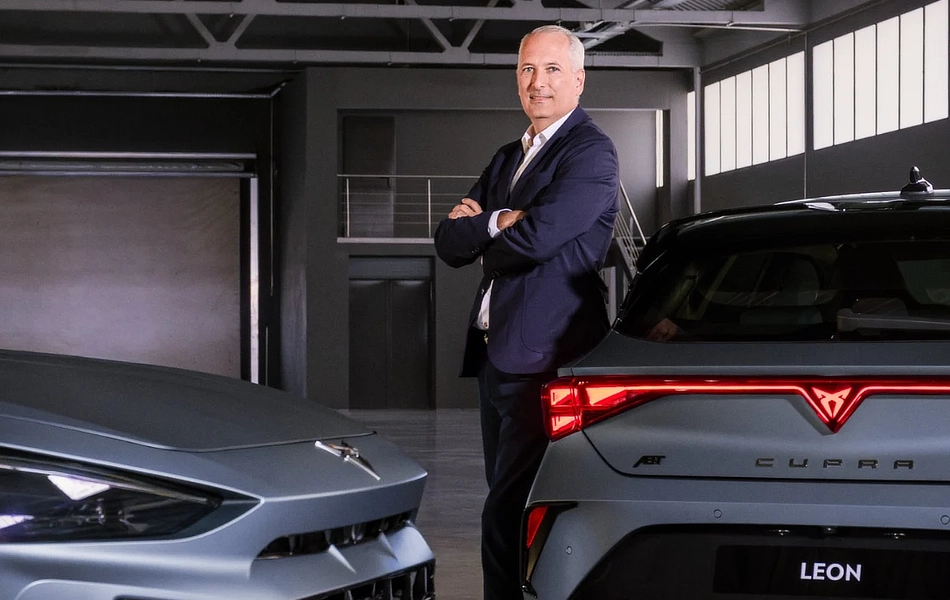
Cupra, Seat’s sportier sister brand launched in 2018, overtook Seat in annual sales for the first time in 2025. Cupra is also receiving investment in electric vehicles, while Seat has no fully electric model and no EV programme currently planned.
A source involved in Volkswagen’s discussions told Reuters that the group does not want to maintain two brand names, raising the possibility that future products could be concentrated entirely under Cupra.
For Seat, the problem is more than simply falling sales. The brand has not introduced a new model since 2020, while executives have repeatedly argued that the investment required to develop an electric range cannot be justified because Seat is not profitable.
The potential demise of Seat also illustrates the wider upheaval facing the global car industry.
Chinese manufacturers including BYD, SAIC Motor and Geely are rapidly gaining ground, intensifying competition for established European brands already dealing with weaker demand and the enormous cost of transitioning to electric vehicles.
Between 2019 and 2025, European, American, Japanese and South Korean automakers collectively saw annual sales fall by 12.6 million vehicles, according to industry data.
Seat’s fate remains undecided. But after decades as a familiar name on European roads, the once-independent Spanish marque now finds itself at the centre of a much bigger question: which car brands will survive the industry’s electric, economic and competitive revolution?