The Federal Reserve has raised interest rates, once again placing the machinery of monetary policy above the economic pain felt by ordinary Americans. The increase is only a quarter of a percentage point. On paper, it is modest. For millions of people already struggling with food, housing, energy and debt, however, the consequences are anything but abstract.
The Fed says the move is necessary to bring inflation back toward its 2% target. But the language of central banks has a way of concealing the human cost of their decisions. Interest rates are numbers. Mortgages are numbers. Auto loans are numbers. Inflation is a number.
Yet behind those numbers are families postponing home purchases, workers watching grocery bills rise and households paying more simply to maintain the lives they had before the latest economic shock.
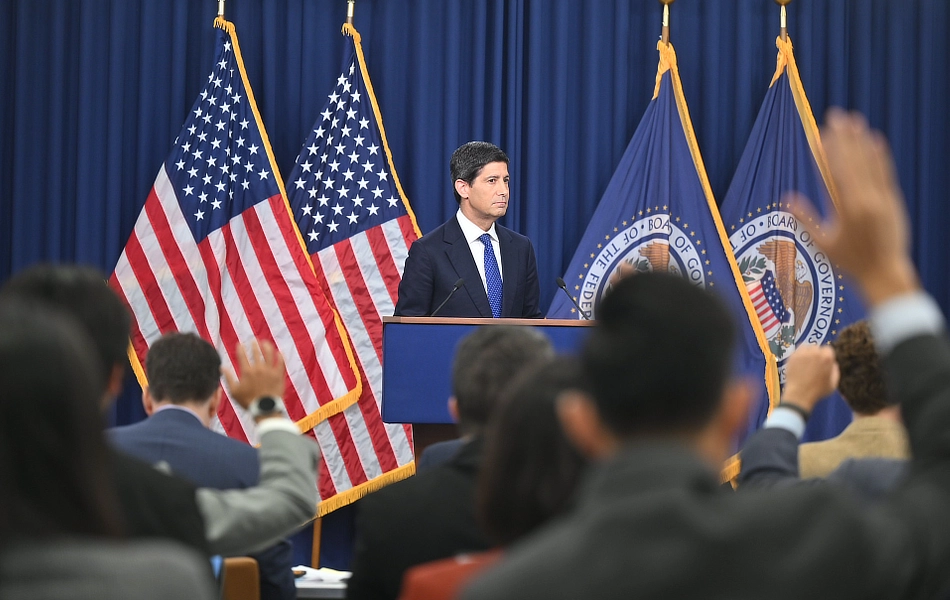
The rate increase also exposes the widening political conflict surrounding the Federal Reserve. Donald Trump has repeatedly demanded lower borrowing costs, while Kevin Warsh, the chair he appointed, has now overseen a rate increase.
The president may dislike the decision, but the episode demonstrates the importance—and fragility—of the Fed’s independence.
There is another contradiction. Inflation remains above the Fed’s target, but the economy has not collapsed. Consumers are still spending.
Investment in artificial intelligence is surging. The machinery of corporate America continues to consume vast amounts of capital.
This leaves ordinary citizens trapped between competing economic forces. They pay more when prices rise. They pay more when borrowing costs rise.
They are told that sacrifice today will produce stability tomorrow, even as housing becomes less affordable and basic necessities consume an ever larger share of household income.
The political system has little incentive to resolve this contradiction. Affordability is now a central issue ahead of the midterm elections, but elections often reduce structural economic failures to slogans.
Politicians promise relief. Central bankers promise stability. Markets demand returns. Meanwhile, the people who live inside the economy are left to absorb the costs.
The language of monetary policy is deliberately bloodless. “Underlying inflation.” “Policy action.” “Economic resilience.” Such phrases make hardship disappear.
But hardship has not disappeared. It has merely been converted into statistics. And statistics, unlike people, do not protest when the bill arrives.