
Winter is arguably the toughest season of the year for most cars. Cold mornings drain batteries, gritted roads coat everything in salt, and shorter days mean more driving in dark and wet conditions.
Breakdown calls rise almost as fast as the temperatures drop, and many of them come down to small things that a few minutes of checking would have caught.
The good news is, you don’t need to be a mechanic to get your car ready. Most of the checks below – provided by private plate supplier Regtransfers – take less than an hour in total, cost little or nothing, and can save you from a cold wait on the hard shoulder.
We’d recommend working through them once before the worst of the weather arrives, then keep an eye on a few of them as we crawl our way back towards spring.
Check your battery
Battery failure is one of the most common reasons for winter breakdowns. Cold weather slows the chemical reaction inside a battery, so it delivers less power when your engine demands more to turn over.
Your battery may have seemed fine in August, but that doesn’t mean it’ll be fine on colder, more frosty mornings.
Some indications of a struggling battery include:
– The engine turning over slowly or sounding sluggish when you start it
– Dim headlights or interior lights, especially at idle
– A battery warning light on the dashboard
– The battery being more than four or five years old
Luckily, many garages and parts shops will test your battery for free. Frequent short journeys may not be enough to give a battery a full and proper charge, so taking time to plan out a longer drive once a week can help keep things ticking. If your car is going to sit unused for long periods of time, a trickle charger is a worthwhile investment.
Look after your tyres
Your tyres are, ideally, the only part of the car touching the road – which makes them vital to maintain properly. In the winter months, they have to deal with rain, standing water, mud, ice and sometimes snow. That’s a lot of differing road conditions to work with, so it’s important to make sure your tyres are safe and road legal.
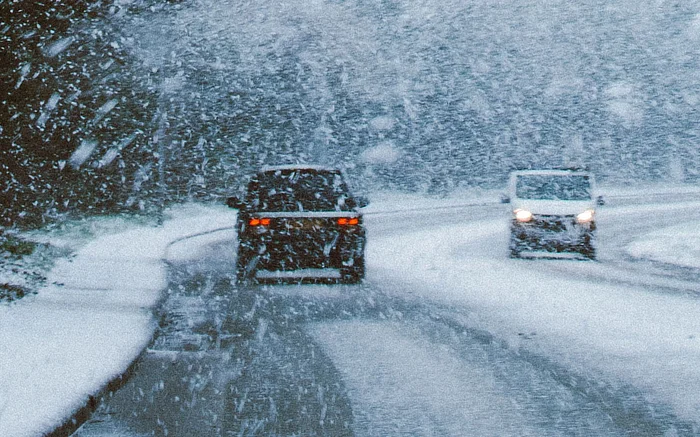
The legal minimum tread depth in the UK is 1.6mm across the central three quarters of the tyre, but many experts recommend at least 3mm for winter driving, as grip in the wet drops noticeably below that.
A quick way to check is the 20p test: insert a 20p coin into the main tread grooves. If you can see the coin’s outer band, your tread may be close to the limit and worth checking properly.
Cold air also lowers tyre pressure, so check pressures more often in winter, ideally when the tyres are cold. You’ll find the correct figures in your handbook, on a sticker inside the driver’s door or inside the fuel filler flap.
If you live somewhere rural or hilly, or regularly drive early in the morning, winter or all-season tyres may be worth considering. They use a softer rubber and deeper tread patterns designed to grip better below about 7°C.
Keep your view clear
As one might expect, being able to see properly is an important factor of being able to drive safely. This goes doubly so in winter; low sun, road spray, frost and fog all make visibility much harder.
If you’re running late, it can be tempting to drive off with a “portal” windscreen, only partially cleared, but you may find yourself on the wrong side of the law if you drive in this manner.
Here’s a few tips to make sure your sightlines are clear across your whole car.
Wipers: if your wipers smear, judder or leave streaks, replace the blades. They’re inexpensive and usually easy to fit yourself.
Screenwash: use a proper screenwash with antifreeze rather than plain water, which can freeze in the reservoir and the jets.
Clearing ice: use a scraper and de-icer, and never pour boiling water on the windscreen, as the sudden temperature change can crack the glass. Clear every window fully rather than scraping a small porthole.
Snow on the roof: brush it off before you set off. It can slide onto your windscreen when you brake, or fly off into the path of the car behind.
Give yourself an extra ten minutes on frosty mornings so you’re not tempted to set off with a half-cleared screen.
Check every light
With darkness falling before 5pm for much of winter, you’ll rely on your lights far more than in summer. Walk around the car with the lights on, or ask someone to help, and check headlights (dipped and main beam), sidelights, brake lights, indicators, fog lights and the number plate light. That last one is easy to forget, but a blown number plate bulb is an MOT failure and can get you pulled over.
Wipe your light lenses regularly too. A film of road grime can cut their output noticeably, and cloudy, yellowed headlight covers can often be restored with an inexpensive kit.
Don’t forget your number plates
Number plates rarely make it onto winter checklists, but they take a real battering at this time of year. Spray from gritted roads leaves a grey film of salt and dirt, and snow can cover them completely. If your plate can’t be read, you could face a fine of up to £1,000, and an illegible plate is also an MOT failure. Clearing snow from your plates is covered in the Highway Code alongside clearing your windows, lights and mirrors.
A few simple habits keep your plates legal and readable:
Clean them gently. Use warm soapy water and a soft cloth or sponge. Avoid abrasive pads, harsh chemicals or pressure washing at close range, which can damage the reflective surface and the characters.
Check after long journeys. Motorway driving in wet, gritted conditions can coat the rear plate in just one trip.
Look for damage. Cracks, peeling, fading or lifting characters all make plates harder to read for cameras and police.
Replace them properly. Replacement plates must be made by a registered number plate supplier and meet the current British Standard, with the correct font and spacing. Novelty fonts and rearranged spacing are illegal, however good they look.
The rules around plate display are stricter than many drivers realise, so it’s worth checking you’re on the right side of them. Regtransfers has a useful guide to number plate rules that explains what’s legal and what isn’t.
Top up coolant and fluids
Coolant (often called antifreeze) stops the water in your engine’s cooling system from freezing, which can cause serious and expensive damage. With the engine cold, check the level sits between the minimum and maximum marks on the reservoir. If you’re unsure whether the mix is strong enough for winter, a garage can test it quickly.
While the bonnet is up, check your oil level too. Running low on oil is bad news in any season, but cold starts put extra strain on the engine, so it’s worth making sure it’s properly topped up.
Pack a winter emergency kit
Even a well-prepared car can get stuck in heavy snow or a long motorway closure. A small kit in the boot makes a cold wait far more bearable:

– Ice scraper and de-icer
– Torch with spare batteries
– Warm blanket, hat and gloves
– Phone charger or power bank
– Bottled water and a few snacks
– Hi-vis vest and warning triangle
– Small shovel and something for grip, such as an old mat or a bag of grit
– Jump leads or a portable jump starter
It takes ten minutes to put together and can make a real difference if you’re caught out.
Your winter checklist at a glance
A few minutes now saves a lot of hassle later. Before the coldest weather hits, make sure you’ve:
– Had your battery tested, especially if it’s over four years old
– Checked tyre tread and pressures
– Replaced worn wiper blades and filled up with winter screenwash
– Checked every light, including the number plate light
– Cleaned your number plates and checked they’re legal and undamaged
– Checked coolant and oil levels
– Packed a winter emergency kit
Keep your windows, lights and plates clean through the season, and you’ll be in good shape whatever the weather does.