Mercedes-Benz has suspended further investment in its German manufacturing plants and is exploring potential factory closures following failed negotiations with trade unions over labour costs.
The decision marks a significant escalation in Germany’s automotive industry crisis, raising concerns about manufacturing jobs, supply chains and the future of domestic vehicle production.
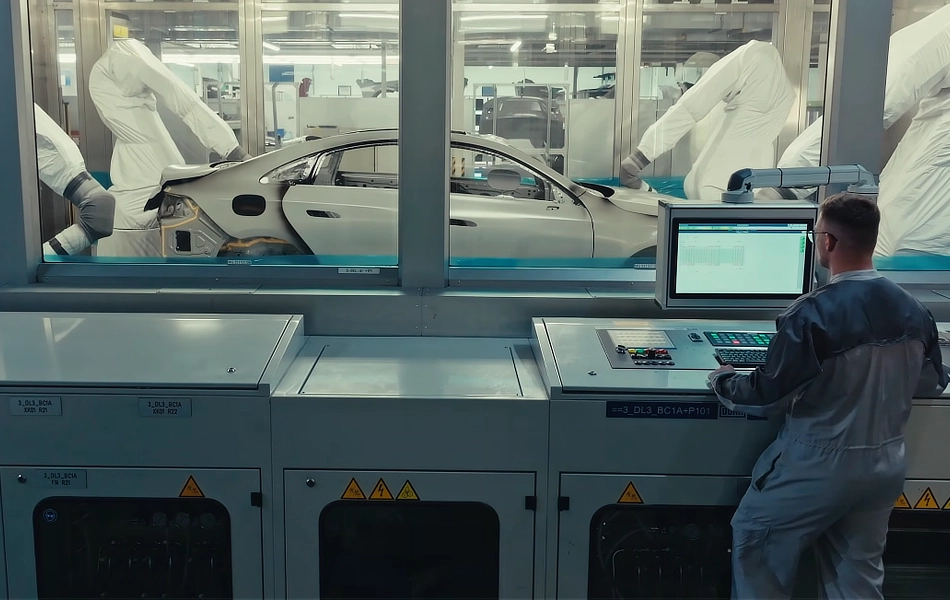
The German carmaker’s investment freeze could affect major manufacturing facilities in Sindelfingen, Bremen and Rastatt, alongside several component production sites.
Mercedes-Benz production chief Michael Schiebe confirmed that management had jointly decided to halt further investment in German locations.
Labour director Britta Seeger said the company would now examine plant closures more closely, despite wanting to avoid job losses and factory shutdowns.
Labour costs at the centre of Mercedes-Benz dispute
The dispute centres on Germany’s 35-hour working week. Mercedes-Benz wants employees to work longer hours without additional monthly base pay, arguing that German manufacturing costs are significantly higher than those at production facilities in Eastern Europe and the United States.
However, IG Metall and employee representatives have strongly opposed the proposals, rejecting factory closures and the relocation of production abroad.
The disagreement comes as Mercedes-Benz faces mounting financial pressure. The company has lowered its profit expectations, forecasting an adjusted return on sales of just 2–3% for its cars division this year.
Weaker demand in China, competition from domestic Chinese manufacturers, US tariffs and pricing pressures are all affecting profitability.
Germany’s automotive industry faces wider restructuring
Mercedes-Benz is not alone in reassessing its German manufacturing footprint. Volkswagen is facing extensive restructuring negotiations, while automotive supplier Schaeffler has announced plans to cut 3,460 jobs and close five European sites.
Consultancy Roland Berger estimates that at least 200,000 automotive jobs could disappear in Germany by 2030.
For Mercedes-Benz, the challenge is to reduce production costs while maintaining its competitiveness and manufacturing presence in Germany.
Unless management reaches an agreement with employee representatives, future vehicle production could increasingly move overseas, placing further pressure on Germany’s automotive manufacturing industry.