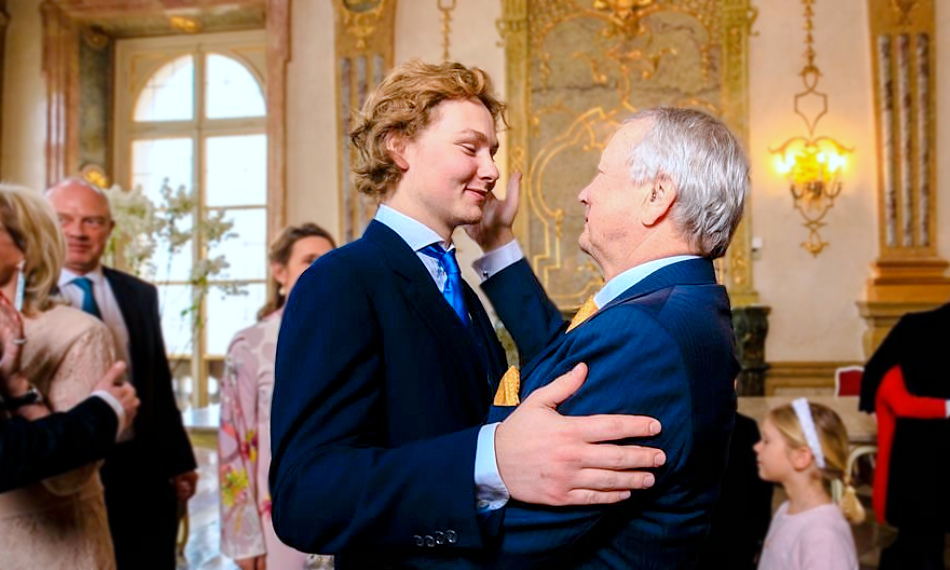
Hans Michel Piech, 83, the aging scion of Europe’s most powerful automotive dynasty, gambled nearly €1.1 billion in 2017 to secure control over his family’s empire, buying shares from his estranged brother, Ferdinand Piech. What was sold as a transaction to preserve stability was, in truth, an act of survival—an attempt to maintain power in a fortress built on legacy, privilege, and the ceaseless extraction of wealth.
Today, that fortress creaks. Volkswagen, once the colossus of global industry, faces tectonic shifts: flagging demand in critical markets, relentless Chinese competition, and the costly, unforgiving pivot to electrification.
The dividends that once flowed like lifeblood to the Piech-Porsche clan are slowing. Porsche Holding SE, the vessel through which the family exerts its influence, has already cut payouts by 25 percent this year, with further reductions looming. The stakes are no longer abstract; they are immediate and existential.
For Hans Michel, the debt he assumed to preserve dominance now casts a long shadow. Loans are secured against shares, collateral pledged, fortunes leveraged. The family’s grip, once a symbol of unassailable control, now risks suffocating the very empire it seeks to protect. Decisions are deferred, bold restructuring avoided, as the clan clings to the past with a fearsome, almost tragic tenacity.
Within the company, tension simmers. Executives depart, internal alliances fracture, and the specter of generational transition looms unacknowledged. Meanwhile, the automaker’s net cash flow flirts with zero, threatening to burn through reserves as early as next year. VW stands at a precipice, but the heirs of Ferdinand Porsche hesitate, unwilling to loosen their grip even as the edifice begins to crumble.
This is not merely a tale of finance or management. It is the story of power’s corrosive inevitability: how wealth, inherited and hoarded, can distort judgment, stifle innovation, and paralyze the institutions upon which countless livelihoods depend. The Piech-Porsche dynasty faces the harsh reality that the structures they have so meticulously preserved may no longer serve them—or the world—at all.