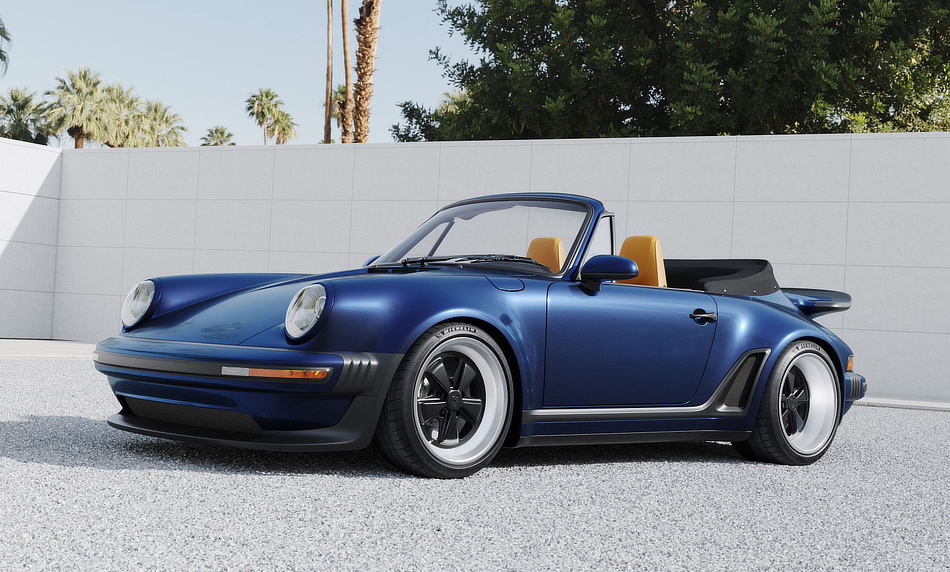
Right. Imagine this.
You start with a classic Porsche 911 from the 1990s. A 964. Only… someone’s chopped the roof off. Which is brilliant for sunshine, terrible for stiffness, and absolutely disastrous if you enjoy corners.
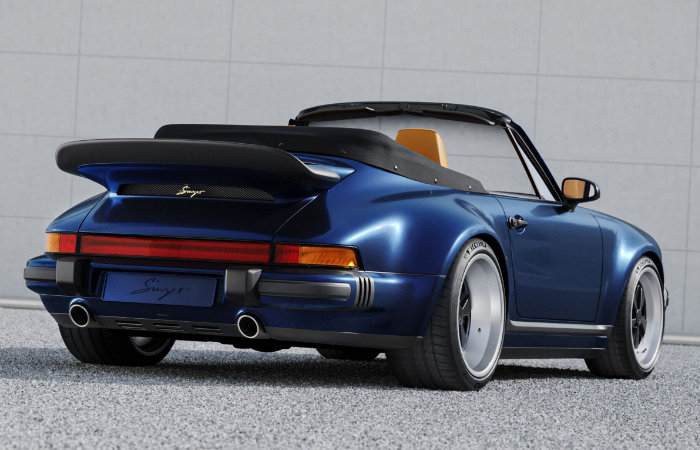
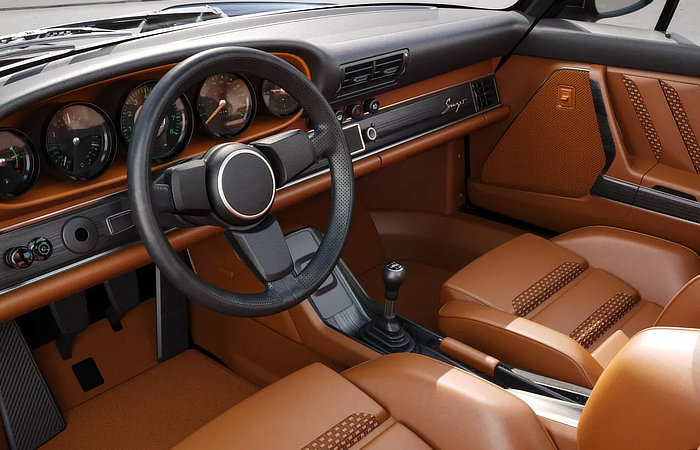
Enter Singer. The Californians who look at old Porsches and think, “This is nice… but what if it were perfect?” Their clients send in tired Cabriolets and Targas and ask for a full Classic Turbo restoration. At which point the car is stripped right down to a naked steel shell like it’s about to be interrogated by the CIA.
But Singer had a problem. Without a roof, the 964 flexes. A lot. So they rang Red Bull Advanced Technologies — the people who normally spend their days making Formula 1 cars absurdly fast — and said: “Can you fix this?”
Red Bull did what Red Bull does. They scanned the chassis, measured everything, fed it into frighteningly clever computers, and twisted it digitally until it complained. Using Formula 1–grade simulation and structural analysis, they figured out exactly which bits of the open-roof car were suffering the most.
Then they added the solution: 13 carbon-fibre reinforcements, bonded into the original monocoque like high-tech skeleton braces. Light, clever, and positioned only where they actually matter.
The result? Torsional stiffness is up by 175 percent. That’s not a tweak. That’s a full gym membership and a protein-shake subscription.
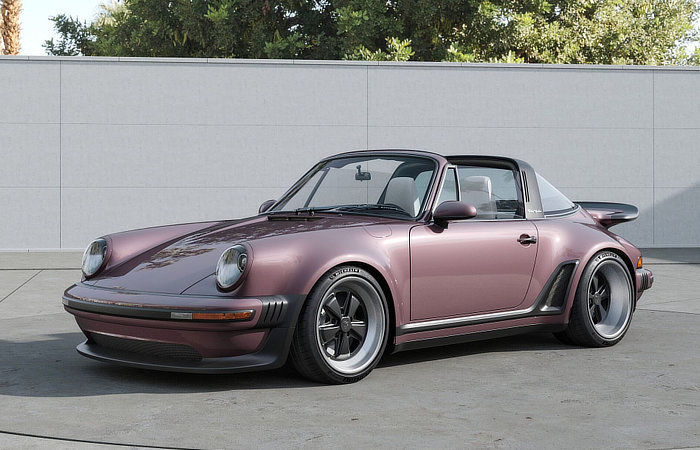
Handling is sharper. Braking is better. Refinement improves. And astonishingly, the Cabriolet and Targa now drive like the coupe — despite still having no roof. Which is basically witchcraft.
So what you end up with is a 1990s Porsche that looks classic, feels solid, drives like a modern performance car, and has been secretly reinforced by Formula 1 engineers.