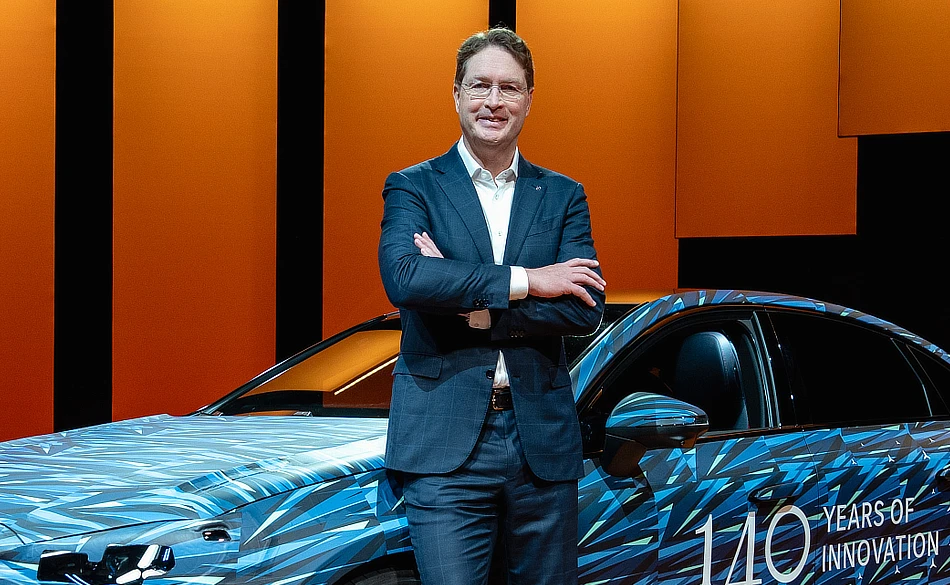
Mercedes-Benz CEO Ola Källenius responded to a contradiction created by the European Union’s attempt to steer a vast, privately owned industry toward a coordinated technological shift. The EU’s 2035 ban on internal combustion engines is an example of state-directed transition policy, but it collides with the immediate imperatives of firms competing in a global marketplace.
Källenius argues the policy is “insufficient” and insufficiently pragmatic. In plain terms, he is saying that the rule does not align with the current cost structures, consumer demand patterns, and competitive pressures faced by firms like Mercedes-Benz. But underneath that language is a deeper reality: firms do not transition because policy declares it so—they transition when it becomes profitable, or when competitive survival forces their hand.
The presence of rising Chinese competition—particularly from firms such as XPeng—intensifies this contradiction. European automakers are being squeezed between regulatory demands at home and aggressive, state-supported competition abroad. The result is not a smooth “green transition,” but a contested restructuring of global automobile production.
What Källenius is really pointing to is the instability of trying to manage a capitalist industry through administrative timelines alone. Corporatist enterprises respond first to profitability, second to competition, and only indirectly to policy goals. When those three forces diverge—as they are now—the system produces friction, lobbying, and calls for “realism,” which often means recalibrating policy to better fit corporate constraints.
In this sense, the debate over the 2035 ban is not just about emissions. It is about who controls the pace and direction of industrial transformation: elected bodies attempting to manage climate constraints, or large corporations navigating global competition and defending their accumulation strategies.