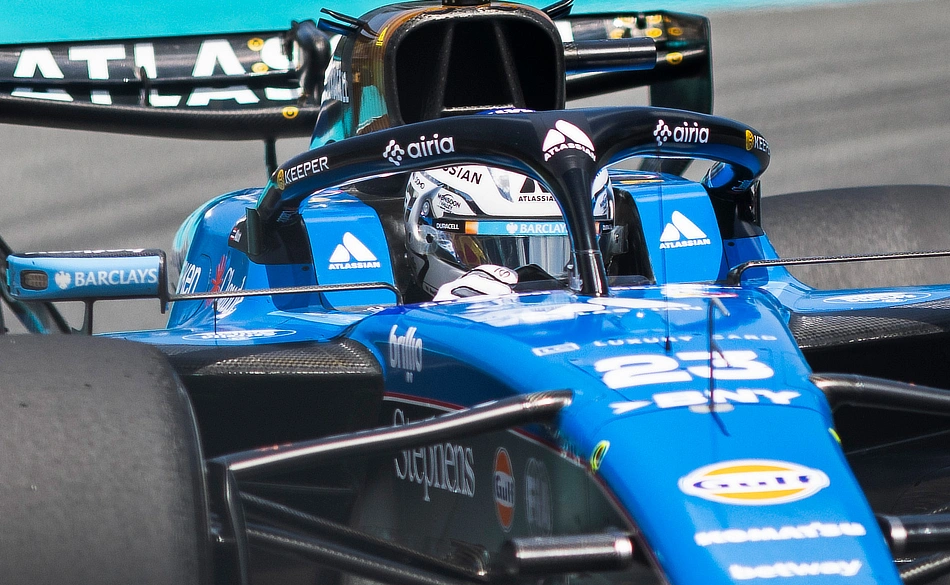

Ahead of the 2026 Canadian Grand Prix, Chief Trackside Engineer Paul Williams outlines a Montreal weekend defined by precision under pressure, where Sprint format constraints and new regulations compress the margin for error into almost nothing.
Montreal remains a classic power circuit at its core. Long straights demand strong power unit performance and aerodynamic efficiency, but they are repeatedly interrupted by low-speed corners that require maximum downforce and traction. Williams notes that finding the correct compromise is more difficult than usual, particularly with only a single practice session before Sprint qualifying. Teams will arrive at competitive sessions with limited data, forcing rapid setup decisions that may define the entire weekend.
Tyre preparation is expected to be one of the dominant challenges. The circuit’s low-energy nature makes it difficult to generate temperature, especially in the front tyres, leading to inconsistent grip across a lap. Combined with cold conditions and a harder compound allocation than 2025, graining becomes a real risk, particularly on the soft and medium tyres. Mechanical compliance is equally important, with bumpy braking zones at Turns 8 and 10 and aggressive kerb usage requiring a stable platform under heavy load.
The 2026 regulations add another layer of complexity. A reduced qualifying energy harvest limit changes how drivers deploy energy across a lap, while Montreal’s asymmetric energy profile further complicates strategy. Drivers are encouraged to push harder, but with less recovery margin available.
Strategically, the Sprint is expected to be a simple, likely zero-stop race, while the Grand Prix trends toward a one-stop medium-to-hard strategy. However, high Safety Car probability means teams must remain flexible, as neutralisations could rapidly redefine race outcomes.