Meng Xiangfeng, a vice president of Contemporary Amperex Technology Co. Limited (CATL), emphasised that battery companies expanding overseas must prioritise regulatory compliance as a core strategic capability rather than a secondary administrative function.
He argued that success in foreign markets increasingly depends on understanding complex legal frameworks, trade restrictions, environmental rules, and subsidy regimes, all of which are becoming more stringent and politically sensitive.
This perspective reflects a wider shift among Chinese battery manufacturers toward deeper localisation strategies, where firms are expected not only to export products but also to embed themselves within host-country industrial ecosystems.
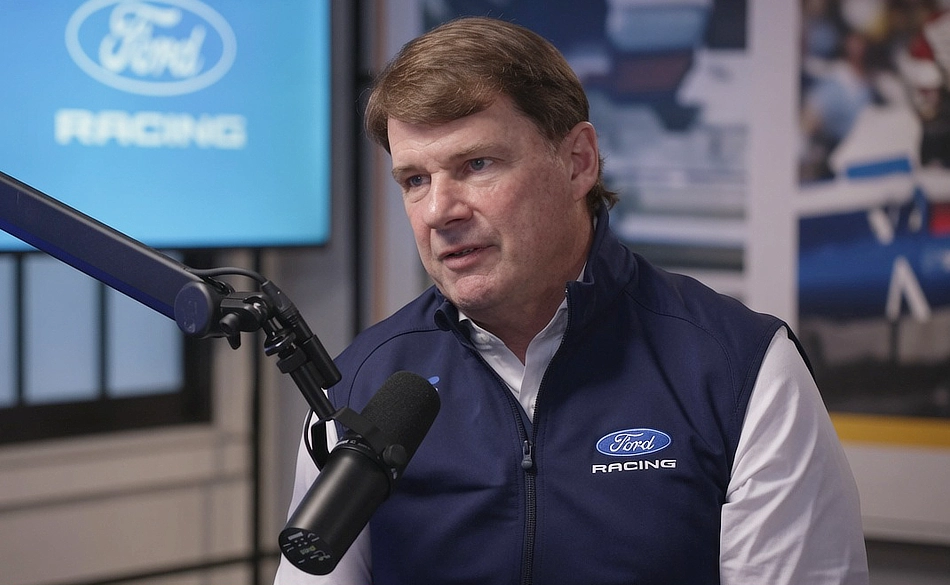
There have also been reports that CATL is exploring a licensing arrangement with General Motors (GM) to enable local production of lithium iron phosphate (LFP) batteries in the United States, similar to its partnership model with Ford.
This includes collaborating on technical standards, engaging with policymakers, and building compliance teams capable of navigating divergent regulatory regimes across the United States, Europe, and emerging markets.
If realised, such an agreement would further illustrate CATL’s evolving international strategy of technology licensing and local manufacturing rather than direct export, reducing geopolitical friction while maintaining market access.
Overall, it highlights increasing global regulatory complexity shaping battery trade.