A car’s interior takes a surprising amount of punishment. Daily commutes, long motorway journeys, scorching summer afternoons, frosty winter mornings and a steady stream of passengers all leave their mark. The seats bear the brunt of it. Over time, fabric fades, stitching starts to give way, stains appear and the surfaces people sit on every day begin to look tired.
Anyone who has done the school run for a few years knows the story, usually told through a trail of juice spills and biscuit crumbs. Looking after seat upholstery helps keep a car comfortable, good-looking and in better overall condition. Replacement seat covers offer a practical way to deal with damaged upholstery without necessarily replacing the whole seat.
Knowing the difference between factory-style replacements and universal covers helps drivers make better decisions about fit, durability, maintenance and safety. The two can look similar in a photo online. In the car, they’re often very different.
Understanding Vehicle-Specific Replacement Seat Covers
Vehicle-specific replacement seat covers are built around the exact dimensions and construction of particular seats. Depending on the product, they may recreate the original upholstery’s shape, stitching pattern, colour and material. Universal covers take a different approach, aiming to stretch across a wide range of seat designs. One is tailored. The other is more of a one-size-fits-most solution.
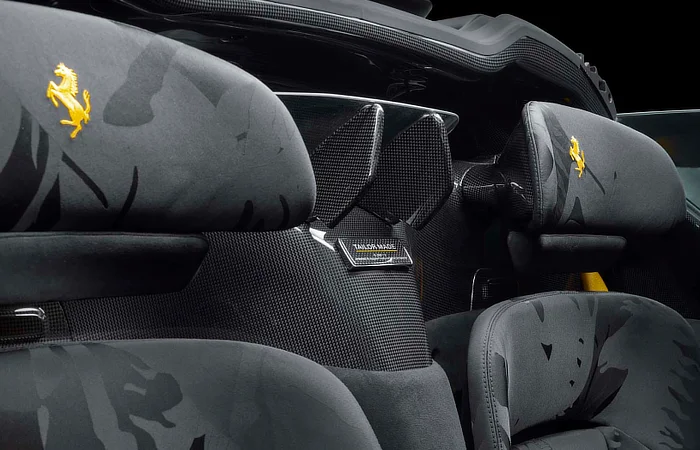
That difference matters because car seats vary enormously. Their curves, headrests, side bolsters, armrests and adjustment controls can differ a great deal from one model to the next, even within the same brand. A cover designed for a specific model is far more likely to follow those features than a general-purpose alternative that has to make compromises everywhere.
For drivers hoping to bring an interior back to its original look, OEM replacement seat covers can be well worth considering. Compatibility always needs checking, though, because original-equipment specifications, replacement materials and available configurations vary between manufacturers and model years. A cover that fits perfectly in one year’s model may sit awkwardly in the facelifted version that came out twelve months later.
The Importance of Accurate Fit
A well-fitted seat cover keeps the interior looking tidy and cuts down on movement during everyday use. Loose material can bunch up under passengers, slide about every time someone climbs in or out and leave the seat looking lumpy and uneven. Few things are more irritating than tugging a cover back into place every single morning before setting off for work.
Vehicle-specific designs can follow seat contours and openings far more precisely, as long as the right version is chosen. Differences between trim levels can also affect upholstery patterns, seat sizes, built-in headrests and other features. The sport version of a car may have deeper bolsters than the standard model, for instance, and a cover made for one won’t sit properly on the other.
Before choosing replacement upholstery, it’s essential to pin down the exact make, model, model year and trim level. It’s also important to check whether the front seats have power adjustment, heating, ventilation or other built-in functions that need specific compatibility. A heated seat hidden under the wrong cover may take far longer to warm up on a cold morning, which rather defeats the point.
Material Choices and Everyday Durability
How well replacement seat covers perform depends partly on what they’re made from. Each material has its own strengths, and no single option suits every driver or every journey.
Cloth upholstery is often valued for breathability and everyday comfort. Depending on its weave and finish, it can also stand up well to normal wear. Synthetic leather and leatherette offer a different look and are usually easier to wipe clean after a spilled coffee on a Monday morning. They can feel warm in hot weather, though, as anyone who has sat down in shorts after the car has been parked in the sun will remember. They also need suitable cleaning products to stop them wearing out too soon.
Tough woven fabrics can make a lot of sense in vehicles that carry work tools, muddy outdoor clothing, pets or a constant rotation of passengers. A builder’s van and a family car that ferries a wet dog home from the beach every Sunday place very different demands on their seats. Choosing a material is really about matching it to how the car is used, the local climate, how much cleaning is realistic and how much wear the seats are likely to face.
Regular vacuuming and dealing with spills quickly help keep upholstery in good shape, whatever it’s made of. Harsh chemicals and scratchy cleaning tools are best avoided when they don’t match the manufacturer’s care instructions. A stain tackled within minutes is usually far easier to shift than one discovered a week later.
Safety and Compatibility Considerations
Modern car seats can contain side-impact airbags, occupancy sensors, heating elements and other safety-related parts hidden beneath the fabric. Replacement upholstery has to work around all of these without getting in the way of how they function. What looks like a simple fabric choice can have serious consequences.
Seat-mounted airbags need particular care, because their deployment can depend on specially designed seams or other construction details. A cover that blocks the intended deployment area could put passengers at real risk in a collision. It’s the kind of detail nobody thinks about until the moment it matters most.
It’s vital to confirm that replacement covers are explicitly compatible with the seat configuration and any airbag systems involved. Seat belts, buckles, adjustment controls and other essential features also need to stay easy to reach and fully working after installation. A cover that makes the seatbelt buckle hard to find every time someone gets in is more than a minor annoyance.
Where fitting involves removing the original upholstery or handling parts connected to safety systems, a professional automotive upholstery service may be the wiser route. Some jobs are best left to people who do them every day.
Installation and Long-Term Maintenance
How a replacement cover is fitted depends on its design. Some products require the original upholstery to come off before the new material goes on, while other protective covers simply fit over the existing seats. One might take an afternoon with the right tools. The other might take twenty minutes on the driveway.
Careful alignment matters either way. A rushed installation can leave wrinkles, uneven tension, exposed patches or seat controls that are suddenly hard to reach. Following the product’s installation instructions closely helps avoid these problems and gives a far neater finish. It’s tempting to skip the instructions, but they usually exist because someone else learned the hard way.
Regular checks can catch loose stitching, small tears or patches of unusual wear before they turn into bigger problems. Cleaning methods need to suit the material, and parking in the shade or using a windscreen sunshade can reduce the damage caused by long hours of direct sunlight. A car left baking in an open car park every summer will show it on its seats sooner or later.
Evaluating Cost and Practical Value
The cost of replacement upholstery depends on the vehicle, the material, how the cover is made, availability and what installation involves. Replacing damaged covers may be a much smaller job than replacing entire seats, especially when the frames and cushioning underneath are still in good condition. For many drivers, that difference can be considerable.
Covers can’t fix everything, though. Crushed foam, broken adjustment mechanisms or structural problems may need separate repairs. A beautiful new cover stretched over a seat that sags in the middle will still feel uncomfortable on a long drive. A careful look at the whole seat helps decide whether new covers alone will actually solve the problem.
It pays to weigh up the initial cost against expected durability, maintenance needs, fit and compatibility. Warranty terms and the availability of replacement parts may also play a part in the decision. A cheaper cover that needs replacing again within a year rarely turns out to be the bargain it first seemed.
Conclusion
Replacement seat covers play a practical role in looking after a car’s interior, especially once the original upholstery has become worn, stained or damaged. Accurate fit, suitable materials, careful installation and compatibility with built-in safety systems are the key things to weigh up when comparing options.
By thinking these factors through before replacing upholstery, drivers can make well-informed choices that keep the cabin comfortable, safe and pleasant to spend time in for many miles to come. A tidy, well-kept interior makes every journey feel a little better, whether it’s a quick trip to the shops or a long drive to see family.