General Motors (GM) and Honda are investing a combined $5 billion in US manufacturing facilities to expand hybrid vehicle production, responding to growing consumer demand for fuel-efficient petrol-electric vehicles.
The investments highlight a shift in automotive industry strategy as manufacturers balance electric vehicle ambitions with continued demand for conventional hybrids.
General Motors invests $2 billion in Michigan
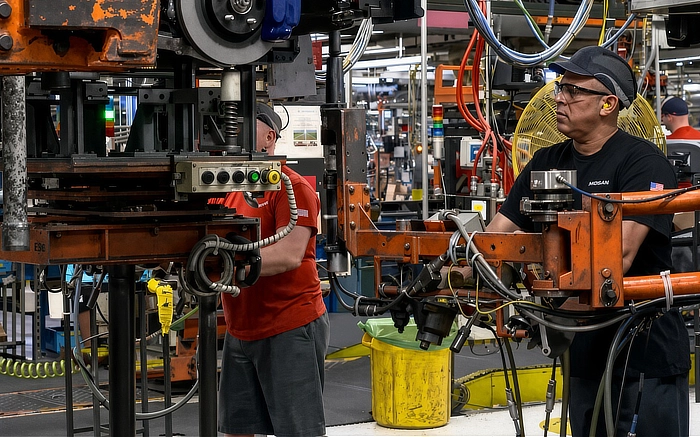
GM has announced a $2 billion investment over several years to prepare its Lansing manufacturing operations in Michigan for future hybrid vehicle production. The funding includes $1.25 billion previously announced for upgrades at Lansing Grand River Assembly.
The investment is intended to prepare GM’s manufacturing facilities for future vehicle programmes and strengthen its position in the increasingly competitive hybrid market.
Honda commits $3 billion to Ohio hybrid plant
Honda is investing $3 billion in a new manufacturing facility in central Ohio to expand its hybrid vehicle production capacity. Located between its existing East Liberty and Marysville plants, the factory is expected to create 2,000 jobs and increase annual production capacity by 240,000 vehicles.
Why are automakers investing in hybrid vehicles?
Hybrid vehicles combine a petrol engine with an electric motor, improving fuel efficiency without requiring drivers to rely entirely on charging infrastructure.
Changing US government policies towards electric vehicles, alongside consumer demand for greater driving flexibility, have encouraged manufacturers to reconsider their electrification strategies.
Toyota has traditionally led the conventional hybrid market since the 1990s. However, GM and Honda’s combined $5 billion commitment signals that competition in America’s hybrid vehicle market is intensifying.