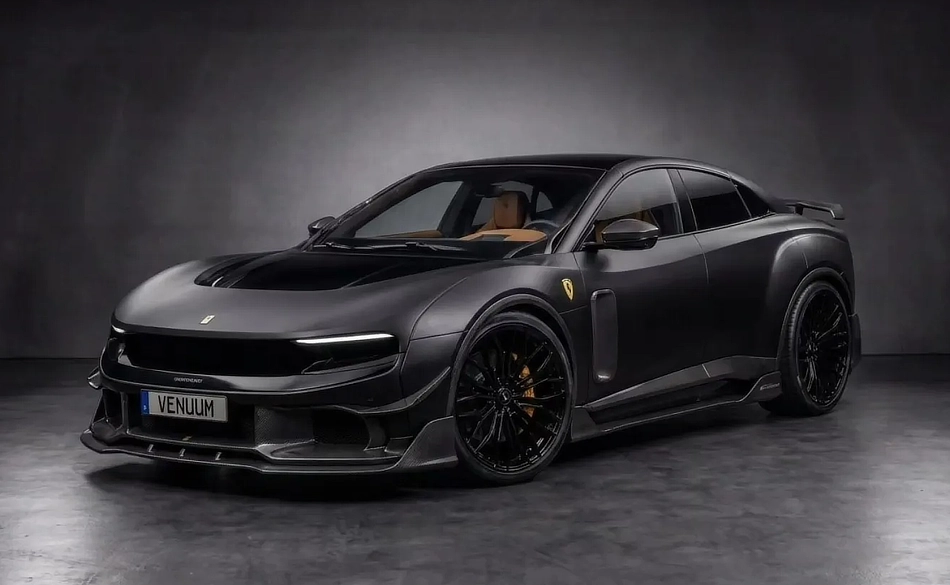
The Ferrari Luce, the company’s first-ever EV, is perhaps the most divisive car the Scuderia has ever produced. It doesn’t look like a Ferrari, and it certainly will never sound like one. The exterior styling has divided opinion across the world.
I’ve never seen anything quite like this before, but even bad publicity is still publicity. I must be one of the few people who thinks it’s a decent-looking car, and I genuinely believe it will become more appreciated over time.
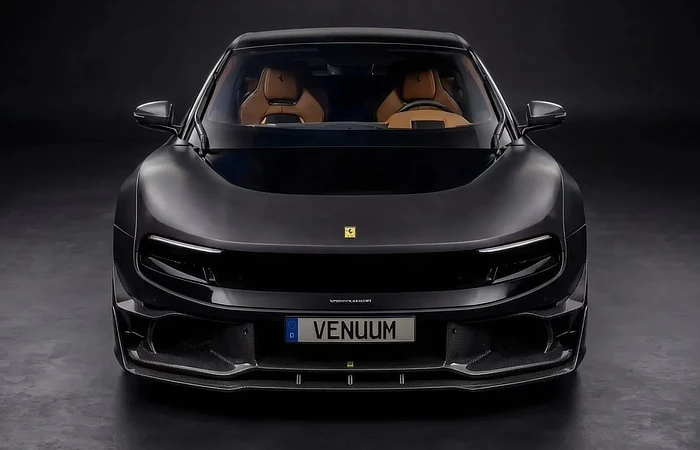
The biggest shock for most people is that it doesn’t look like a Ferrari—but why should it? Ferrari could have played it safe, but I believe engineering decisions ultimately shaped the overall design direction. That’s how the Luce came to be.
What the Luce says to me, based on its styling alone, is that Ferrari is behind the EV technology curve. Yes, the company developed its technology in-house, and the marketing does a good job of buffing and polishing the engineering achievements.
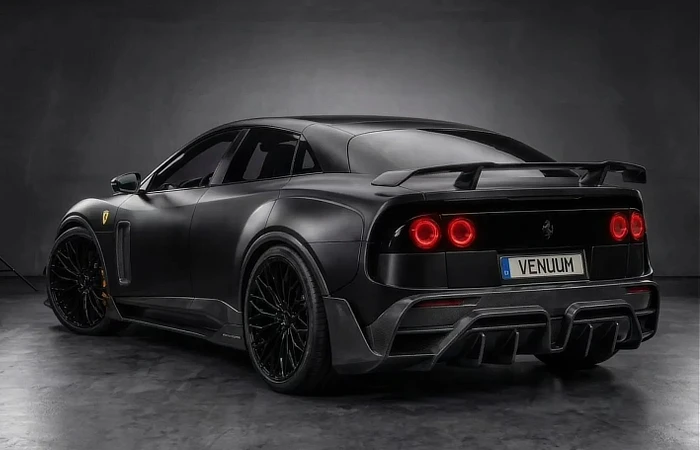
However, it is clear that the Luce feels like a highly polished prototype, with customers effectively acting as guinea pigs.
What’s truly shocking is the price. At $600,000, a new EV is difficult to justify. If you’re looking for style, performance, and four-door GT comfort, the Polestar 5 would be my choice. It also appears technically superior in terms of packaging, battery technology, efficiency, and range.

I suspect Ferrari will use the Luce as a platform to gather data and refine its EV technology for a future two-door sports coupe. However, Chinese manufacturers have already stolen a march on Ferrari in this area.
The Yangwang U9 hypercar, for example, highlights just how far some Chinese brands have advanced in EV development, underscoring Ferrari’s relative lack of depth in the field.
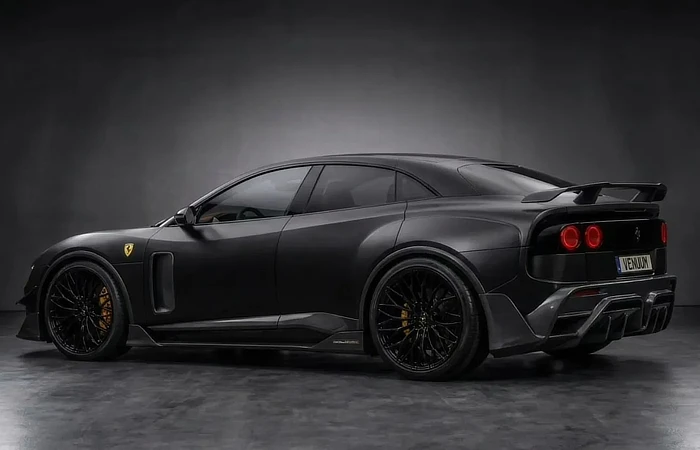
Nevertheless, UAE-based car modifier and tuner Venuum has already begun work on a Ferrari Luce body kit. The company operates at the luxury end of the market, producing wide-body conversions for Rolls-Royce, Ferrari, and Bugatti, among others.
The Luce wide-body kit isn’t copying anything else. Carbon fibre here, an aggressive front splitter there—it’s got everything needed to make the Luce look more appealing. The cost? Easily another $100,000.