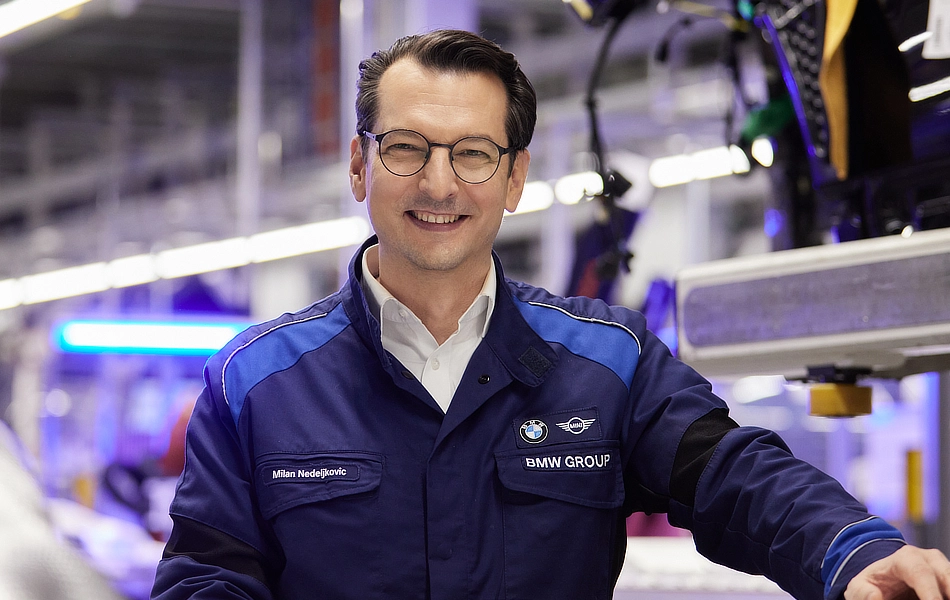
BMW’s troubles are not merely a quarterly setback. They are a symptom of a deeper transformation reshaping the global automobile industry—a transformation in which the old industrial order is being challenged by forces it no longer fully controls.
The German automotive giants built their reputations on engineering excellence, precision manufacturing and decades of brand prestige. But that foundation is now being shaken. BMW’s 35% fall in quarterly pre-tax earnings, the collapse of sales in China and the pressure to cut thousands of jobs reveal a company struggling to adapt to a new economic reality.
China, once a source of seemingly limitless growth, has become a battlefield. Domestic manufacturers, armed with cheaper electric vehicles, advanced software and aggressive pricing strategies, are challenging the assumption that European luxury brands will always dominate.
The competition is no longer simply about horsepower and craftsmanship. It is about batteries, artificial intelligence, digital ecosystems and the ability to move faster than traditional industrial giants can manage.
BMW’s response is familiar: reduce costs, restructure, eliminate jobs and promise a return to higher profitability. But behind the language of efficiency lies a harsher reality. The burden of industrial upheaval is often carried by workers, while shareholders continue to demand higher returns.
The company’s planned workforce reductions and product reviews are not just corporate decisions; they are evidence of a wider crisis facing Western manufacturing. The old model—premium brands, global expansion and predictable consumer loyalty—is colliding with a world defined by geopolitical instability, technological disruption and relentless competition.
BMW insists the Neue Klasse electric vehicle platform will restore its position. Perhaps it will. But the question facing BMW, and the entire European automotive sector, is whether they are adapting quickly enough to a world that has already changed.
The future of the automobile industry is being written now, and the companies that once defined the modern car are discovering that history does not guarantee survival.