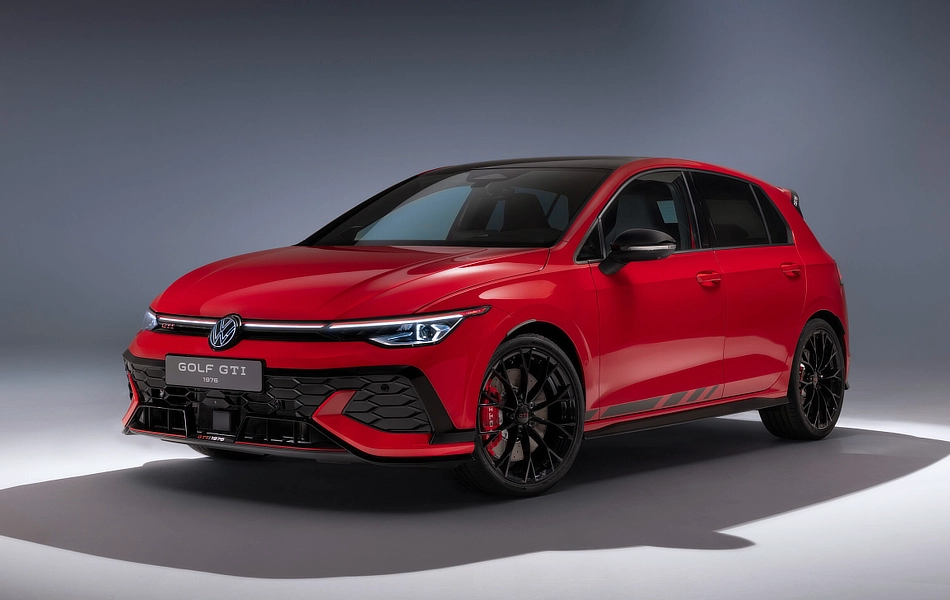
Volkswagen is celebrating 50 years of the Golf GTI with a special-edition model, the Golf GTI 1976. Just 1,976 examples will be produced, each with 325 PS, a manual gearbox and enough anniversary detailing to remind buyers that this is supposedly something rather special.
But there is another way of looking at limited-edition cars: they are limited for a reason, and that reason isn’t necessarily exclusivity.
Manufacturers love attaching production numbers to special editions because scarcity creates an impression of desirability. A numbered plaque, some special upholstery, a few cosmetic alterations and a higher power output can suddenly transform an ordinary production car into a supposedly collectable proposition.
Yet the uncomfortable reality is that limited editions often exist because manufacturers know there is only a relatively small audience willing to pay extra for them.
Limiting production to 1,976 examples might sound like a celebration of the GTI’s heritage, but it also places a convenient ceiling on the commercial risk.
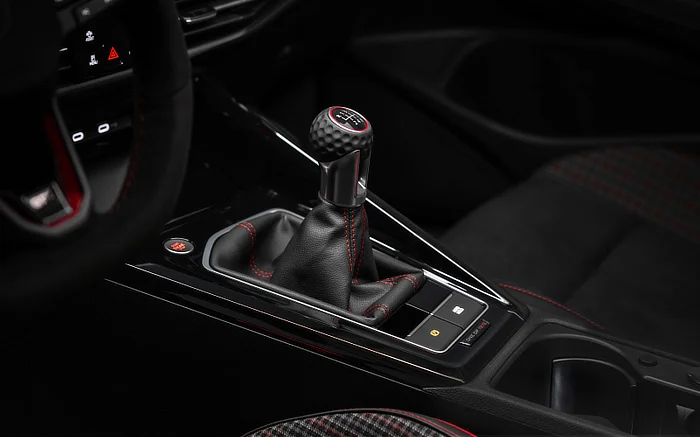
Volkswagen will undoubtedly find enthusiastic buyers, particularly among collectors and committed GTI fans. The return of a manual gearbox is arguably the most interesting feature, especially as modern performance cars increasingly abandon three-pedal driving.
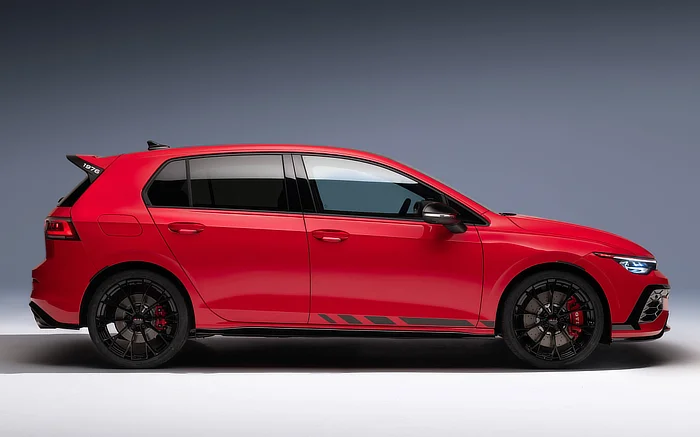
However, 325 PS isn’t exactly groundbreaking in a market where performance hatchbacks have become increasingly powerful. Nor does adding special graphics, decorative carbon trim and a golf-ball gear knob fundamentally change the Golf GTI proposition.
There is also the question of price. Volkswagen hasn’t announced final pricing, but anniversary editions rarely represent the bargain end of the performance-car market.
The Golf GTI 1976 may well become a desirable footnote in the model’s history. But let’s not confuse a production limit with overwhelming demand. Sometimes a limited edition is exclusive because everybody wants one. Sometimes it’s limited because not enough people do.